King Harald as a refugee
King Harald was a refugee as a young boy during World War II. This experience left an indelible mark on him.
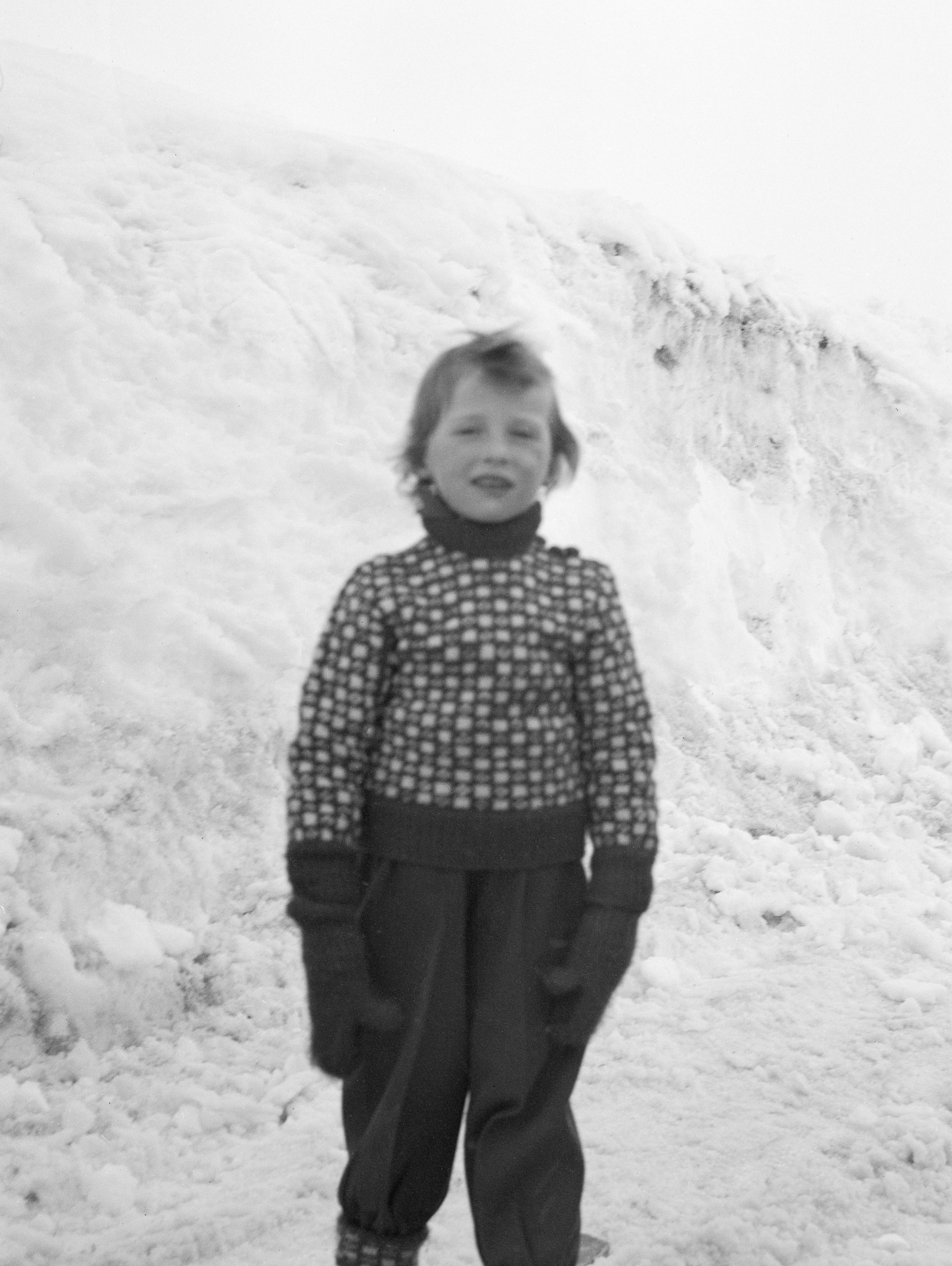
The Royal Family was separated during the war. King Haakon and Crown Prince Olav went to London, where they helped to lead the country together with the Government-in-exile, while Crown Princess Märtha and the three children, Princess Ragnhild, Princess Astrid and Prince Harald, went to the US. It was difficult for the family to be apart, and nobody knew how long the situation would last.
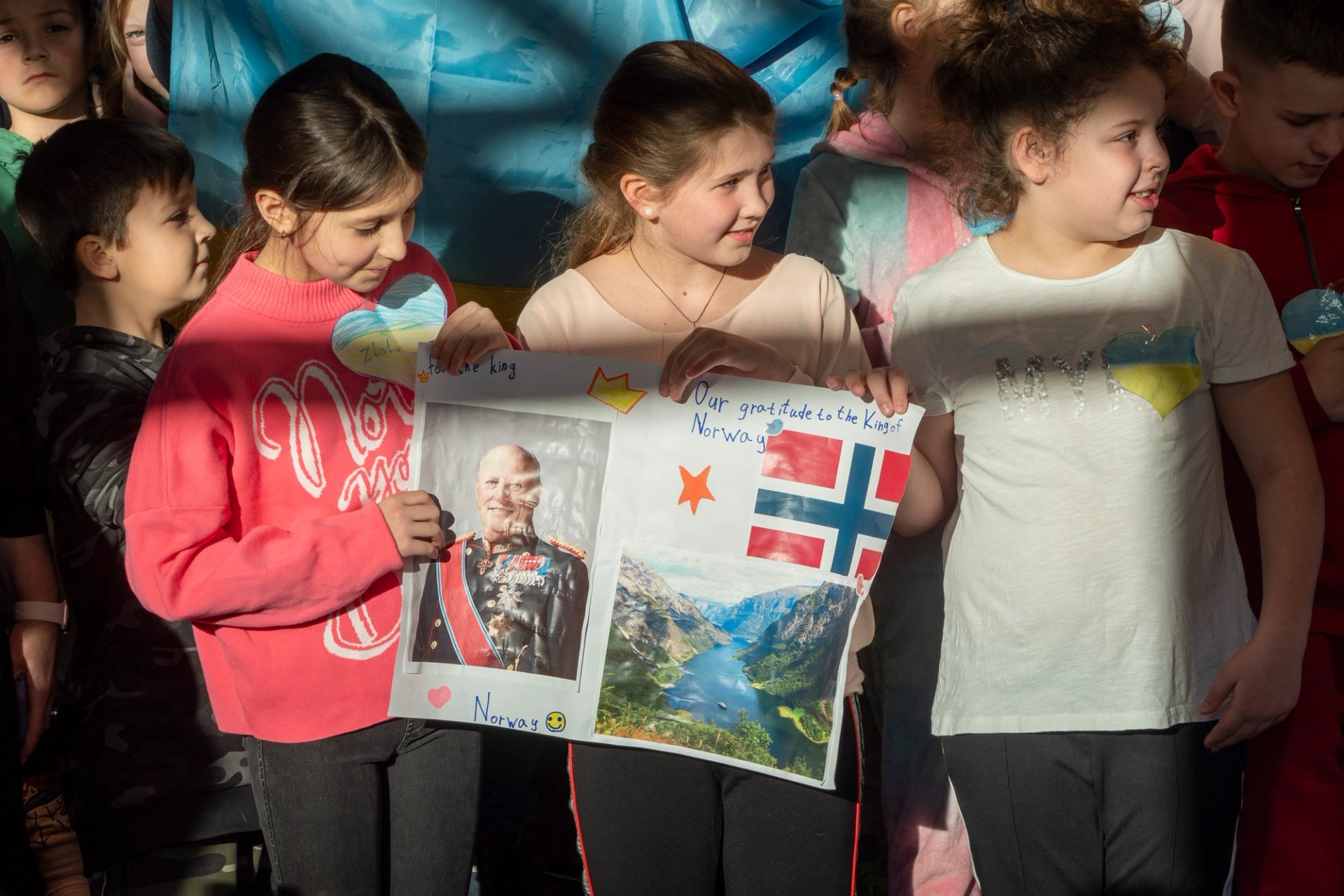
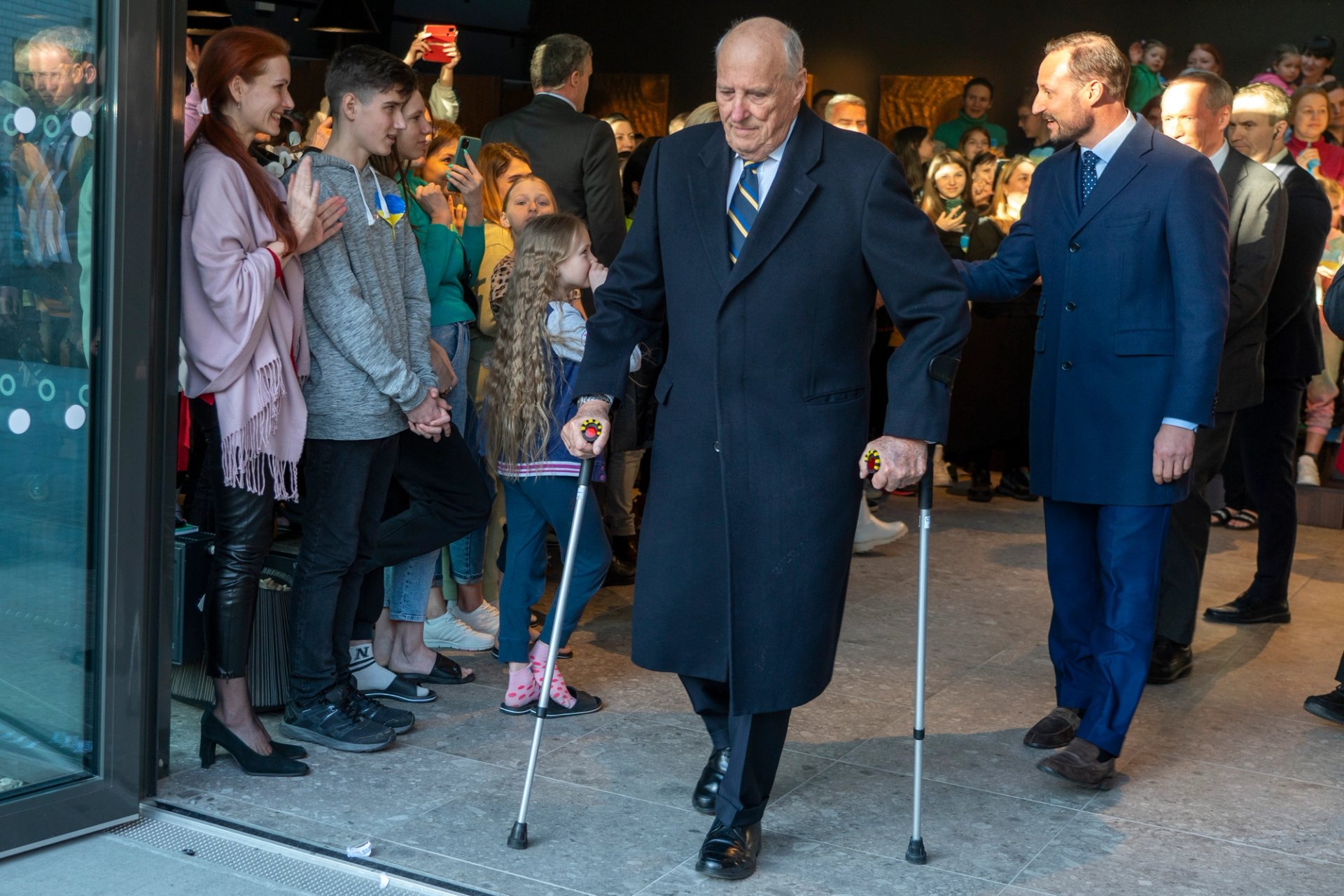
In the spring of 2022, when speaking with Ukrainian refugees who had managed to escape to Norway after Russia invaded their country in February, King Harald told them about his experiences. The Ukrainians were deeply moved when King Harald described how he, too, had been a refugee as a child. He had a lot of insight into what they had been through.
The escape
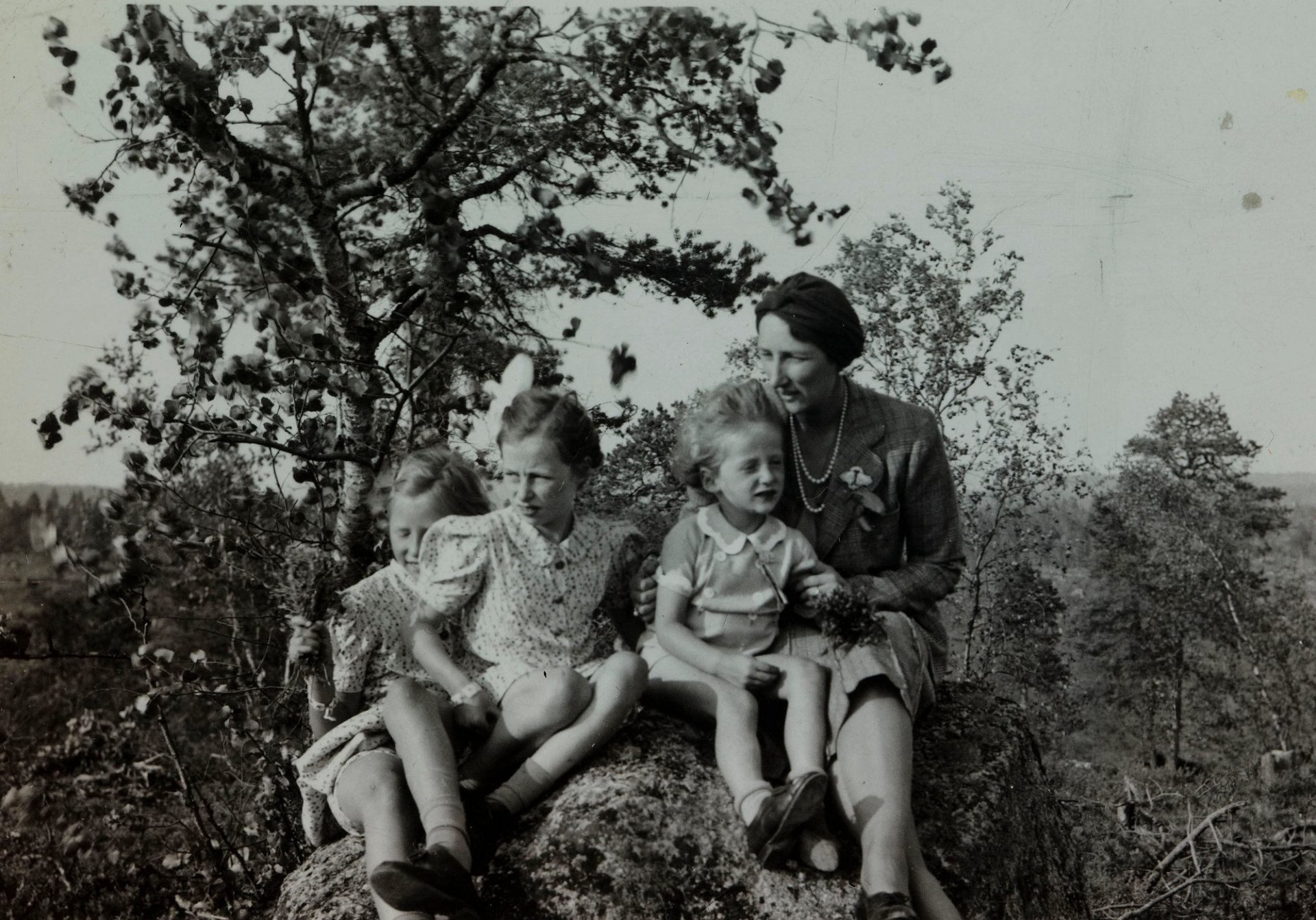
Early on the morning of 9 April, 1940, the Royal Family fled from Oslo, boarding the train to Hamar. There the family went in different directions. King Haakon and Crown Prince Olav continued their flight within Norway, while Crown Princess Märtha and the children headed for Sweden. It was challenging to get permission to cross the border. Eventually they reached the Crown Princess’s family in Stockholm, where they remained for four months. However, it became clear that it was not safe for them to stay in Sweden either.
President Roosevelt invited the family to come to the US, and they accepted his offer. Their journey went first by car to Petsamo in northern Finland, today part of Russia. During a break on the way, the young prince tasted coffee for the first time, and found it unbelievable that anyone could like it. King Harald never became a coffee drinker.
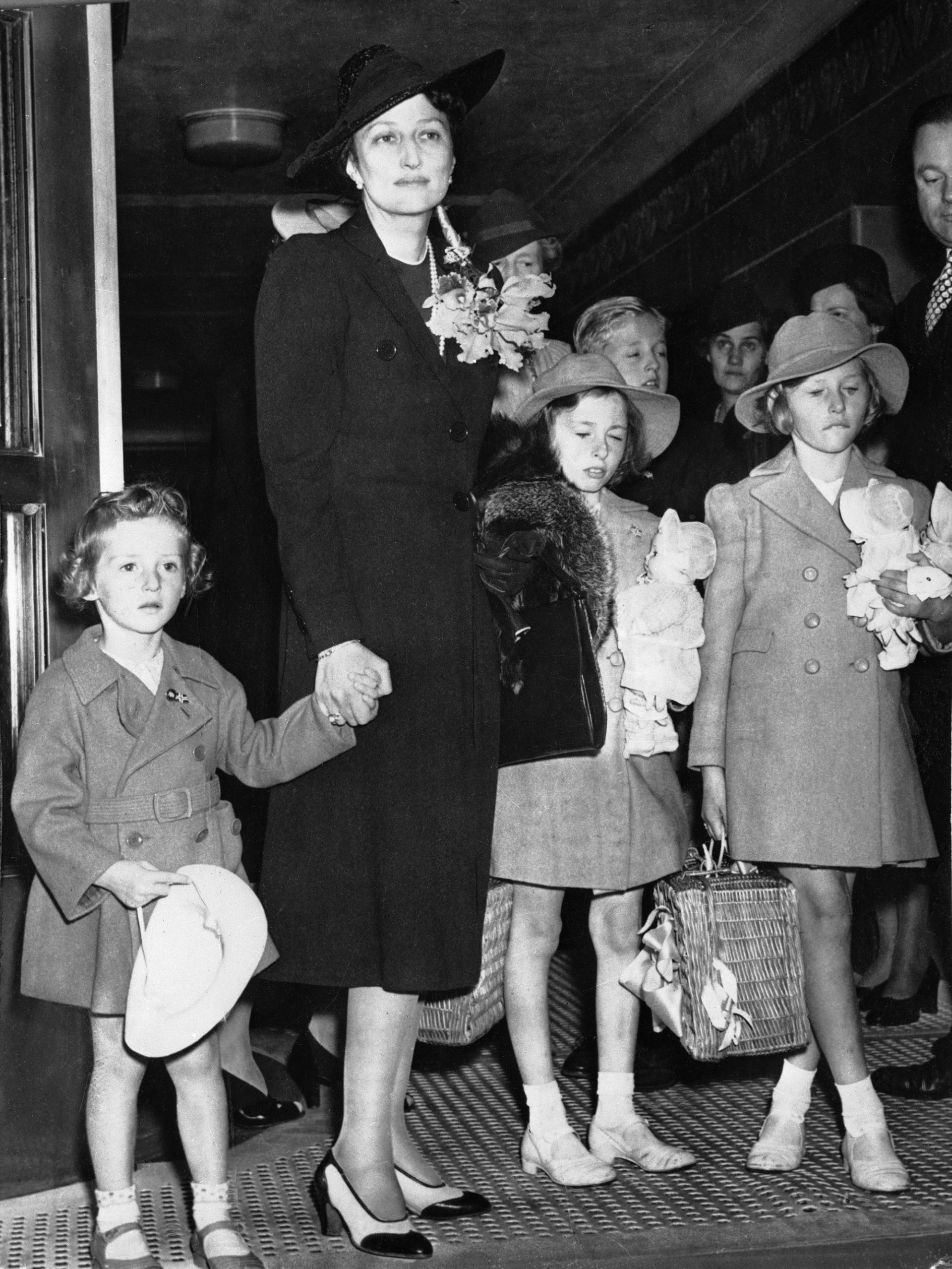
On 17 August the ship American Legion sailed from Finland with 1100 passengers. Ten days later, on 27 August, it docked in New York. The family was exhausted after the journey, but they were safe.
Under the protection of President Roosevelt
The family was given a safe haven by President Roosevelt and his wife, Eleanor. They stayed as guests in the White House until October, when they moved into Pooks Hill, a mansion north of Washington, DC. Pooks Hill provided a safe and comfortable home for the family for the next four and a half years.
President Roosevelt visited them often. Occasionally he brought other guests with him, such as Winston Churchill. Prince Harald and the princesses developed a close relationship with the president, regarding him as a substitute grandfather.
Every Christmas, Crown Prince Olav came to visit from London. The voice of 5-year-old Prince Harald can be heard in a Christmas greeting broadcast on radio in 1942:
“Father and mother and grandfather and we children are looking forward to coming home. Happy Christmas to everyone.”
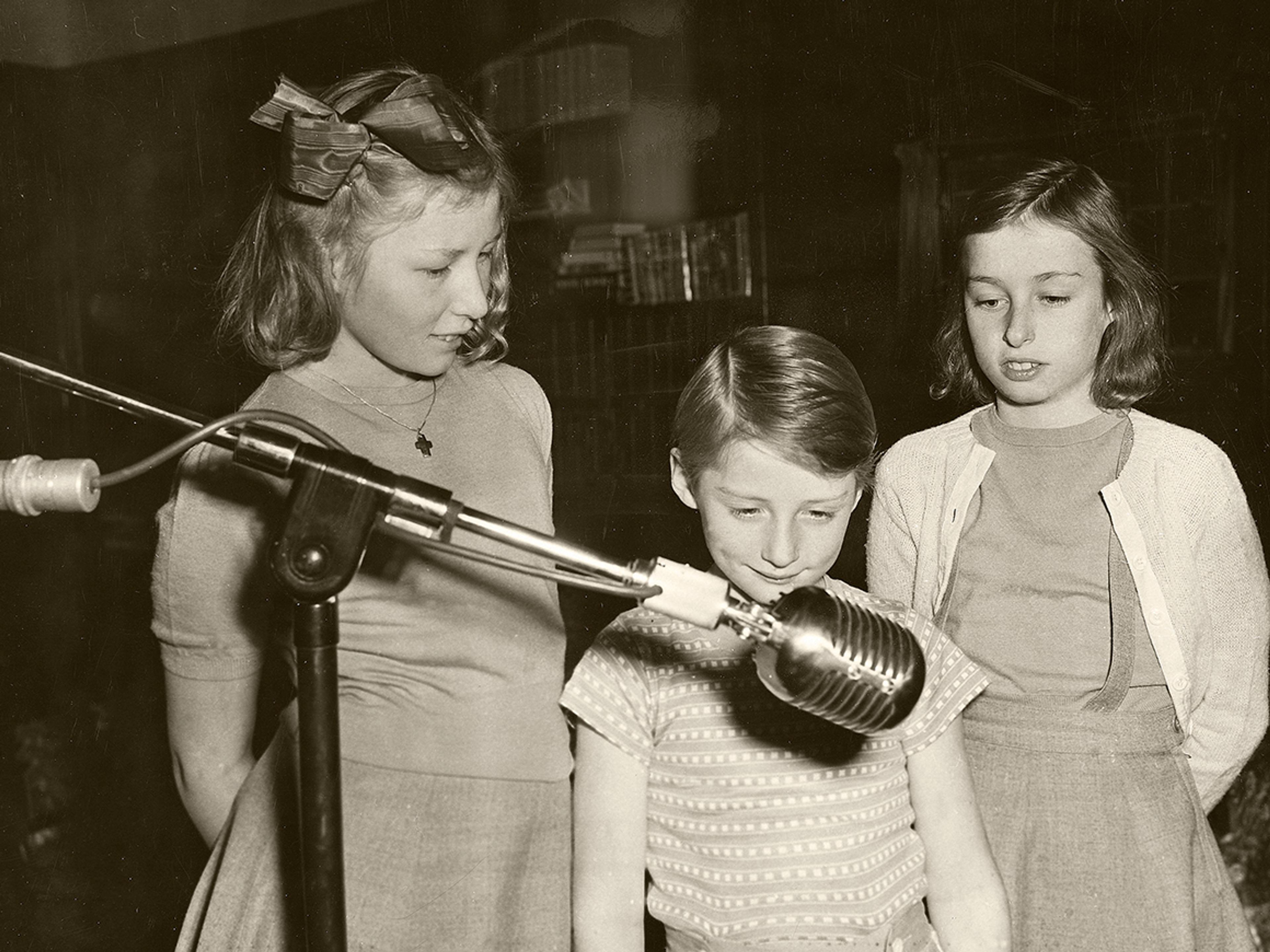
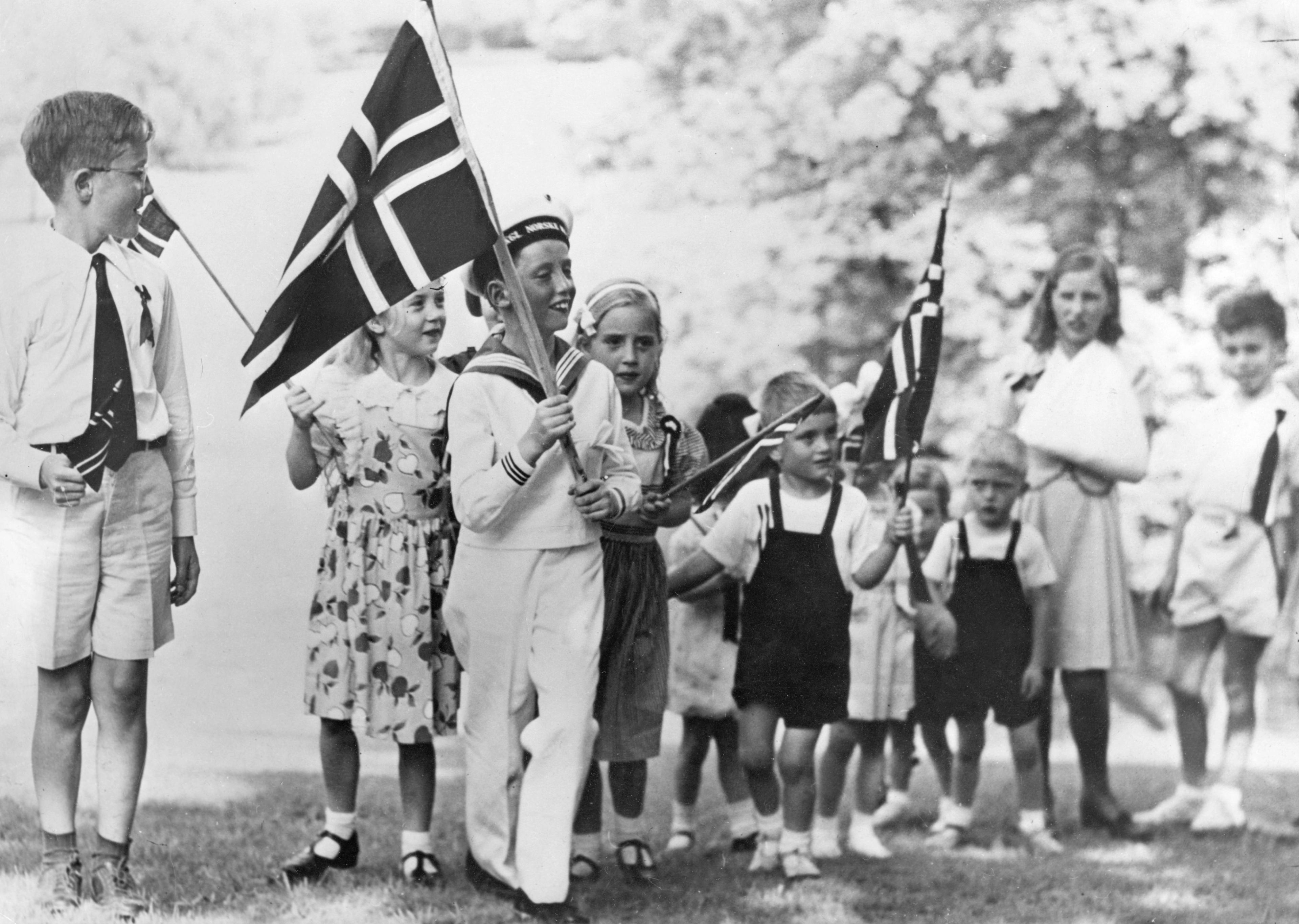
Every 17 May there was a reception and a children’s parade. Crown Princess Märtha decided that the family members should only speak Norwegian with each other at home at Pooks Hill, so the children would be prepared to return to Norway whenever peace arrived. When the princesses sat at the top of the stairs chatting together in English, the Crown Princess would call out to them: “Speak Norwegian!”
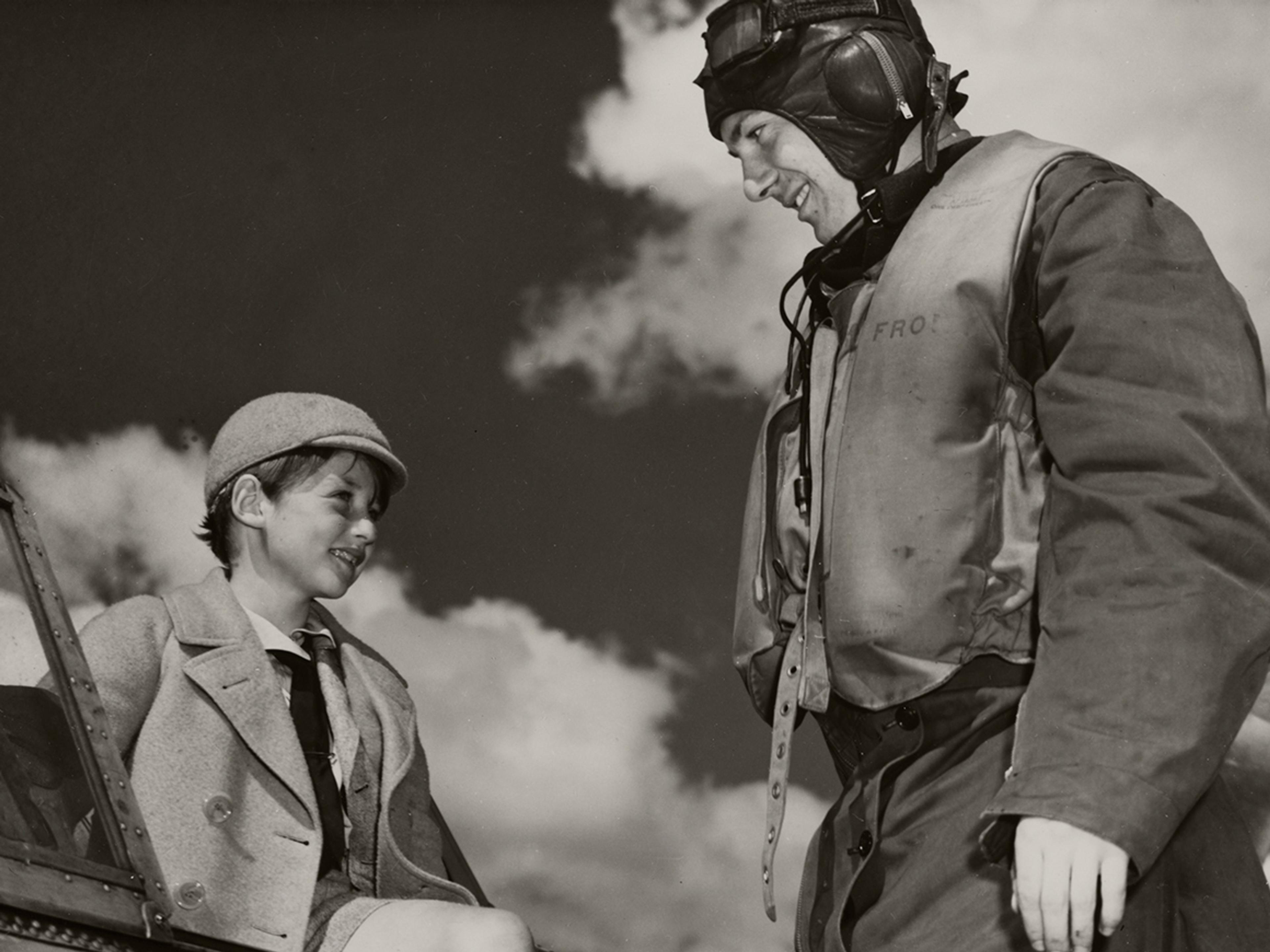
Crown Princess Märtha and the children visited Little Norway, a Norwegian Air Force training camp in Toronto, Canada, several times. There the young prince got to know Colonel Ole Reistad, who took the boy under his wing and “toughened him up” with ice bathing and other activities designed to enhance resilience. The prince became Little Norway’s mascot.
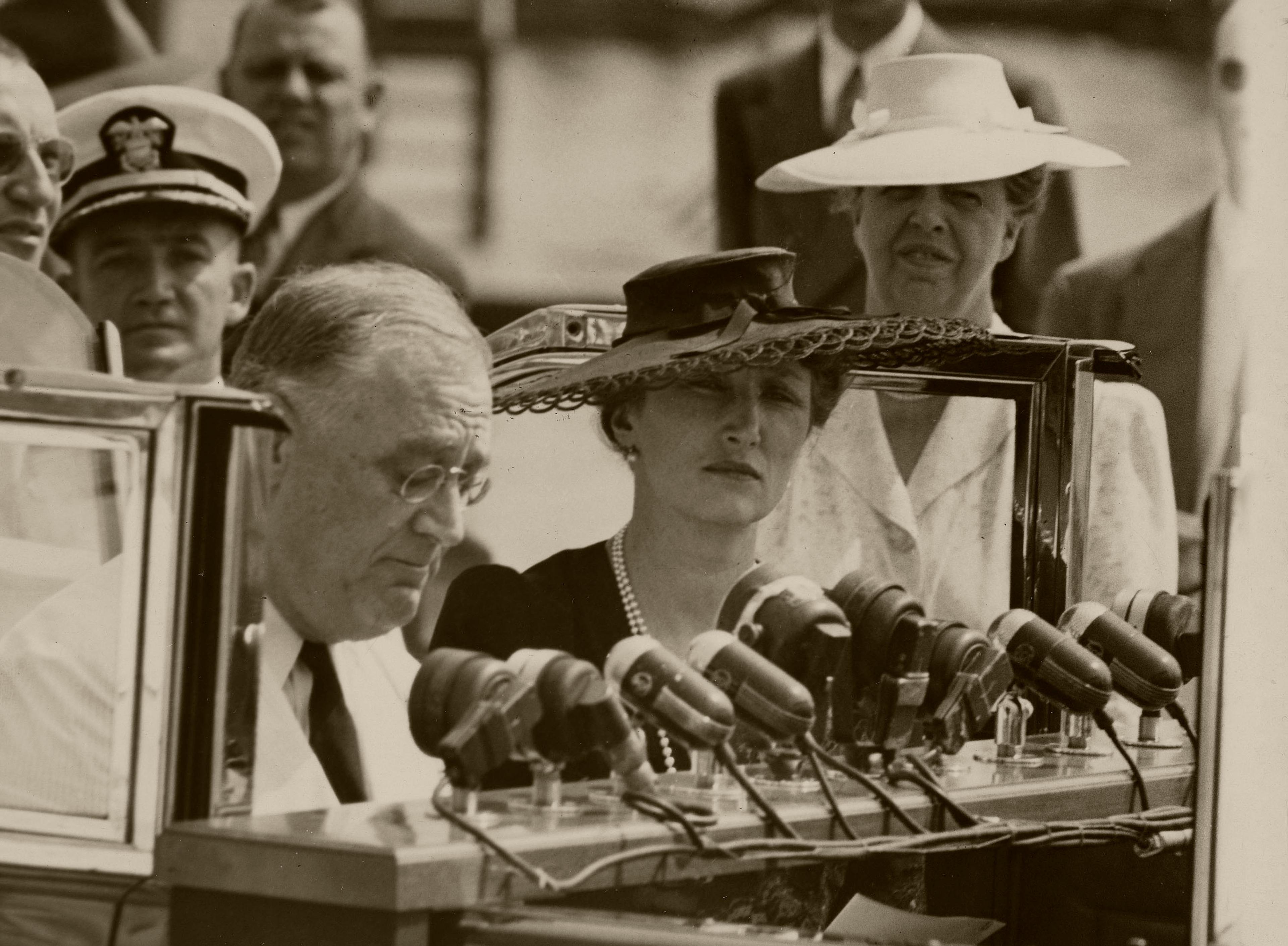
Crown Princess Märtha worked tirelessly in the efforts to secure Norway’s freedom while she was in the US, travelling across the country to speak for Norway’s cause. This inspired President Roosevelt’s famous “Look to Norway” speech in connection with the presentation of an American-produced submarine to the Norwegian Armed Forces in Washington, DC, in 1942.
Homecoming
In May 1945 the news came that the Germans had capitulated, and that Norway was once again a free country. King Harald later recalled that everyone was talking about and looking forward to “going home”, but for him the opposite was the case: Pooks Hill had become his home. He was going back to something unfamiliar, a place he no longer remembered.
On 20 May the family travelled from Washington, DC, to London, where Prince Harald saw King Haakon for the first time in five years. At first, the young boy had trouble understanding his grandfather's Danish-Norwegian speech. But they had two weeks to get to know each other again, linguistically as well as personally, before they embarked on the trip home to Norway.
The Royal Family took a night train from London to Edinburgh. A crowd of people had gathered on the departure platform to sing Norway’s de facto national anthem, “Ja, vi elsker dette landet”, as the family departed. The following day they boarded the cruiser Norfolk. The first ship in the escort behind them was the Devonshire, which had brought King Haakon VII, Crown Prince Olav and the members of the Government to England from Tromsø five years earlier.
On 6 June land was sighted through the fog. Prince Harald and Crown Princess Märtha stood on the deck, and the prince asked, “Is that Norway, Mother?” She confirmed that it was. The Lista peninsula was the first piece of Norway they saw. King Harald later described said that his two strongest memories of that day were his first view of Norwegian land and passing a ship flying the Norwegian flag and decorated with birch branches far out to sea.
On 7 June the Norfolk sailed into the Oslo Fjord. Nothing could have prepared the three children for the sight of the cheering throng. Every Friday, when he presided over the meeting of the Council of State, the King would be reminded of this great day in Norwegian history and the lives of the Royal Family. Axel Revold’s monumental painting “The Homecoming of the Royal Family in 1945” hangs in the Council Chamber of the Royal Palace, where the weekly meetings take place.
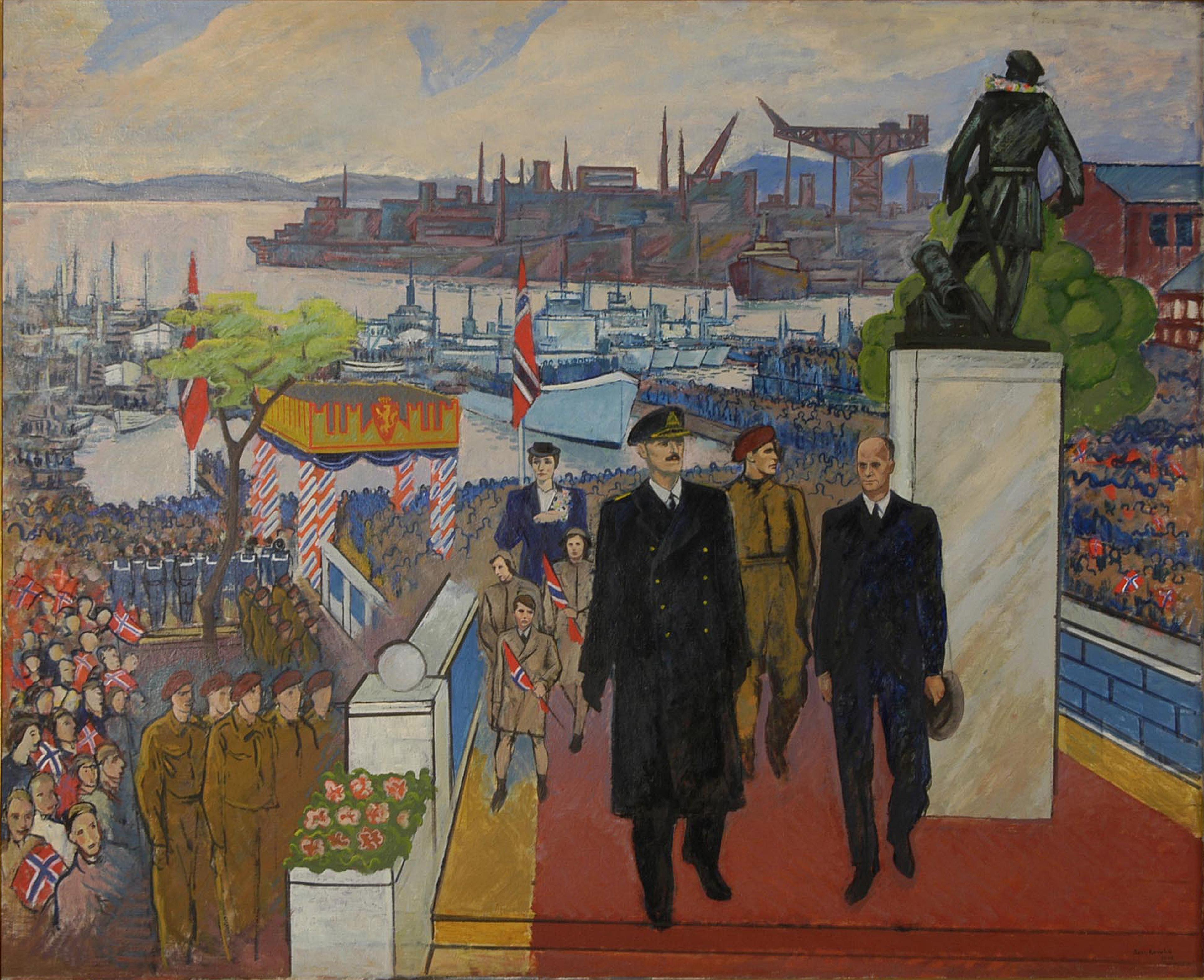
In the period between the German capitulation on 8 May and the return of King Haakon on 7 June, General Andrew Thorne, a senior British Army officer,was the highest authority on behalf of the Allies in newly-liberated Norway. General Thorne greeted King Haakon at the Honnørbrygga dock in Oslo with these words:
“Sir, I return to you your kingdom.”
The memories King Harald had of the war and the subsequent return of peace remained with him for the rest of his life, and he showed great compassion and understanding for people with similar experiences.