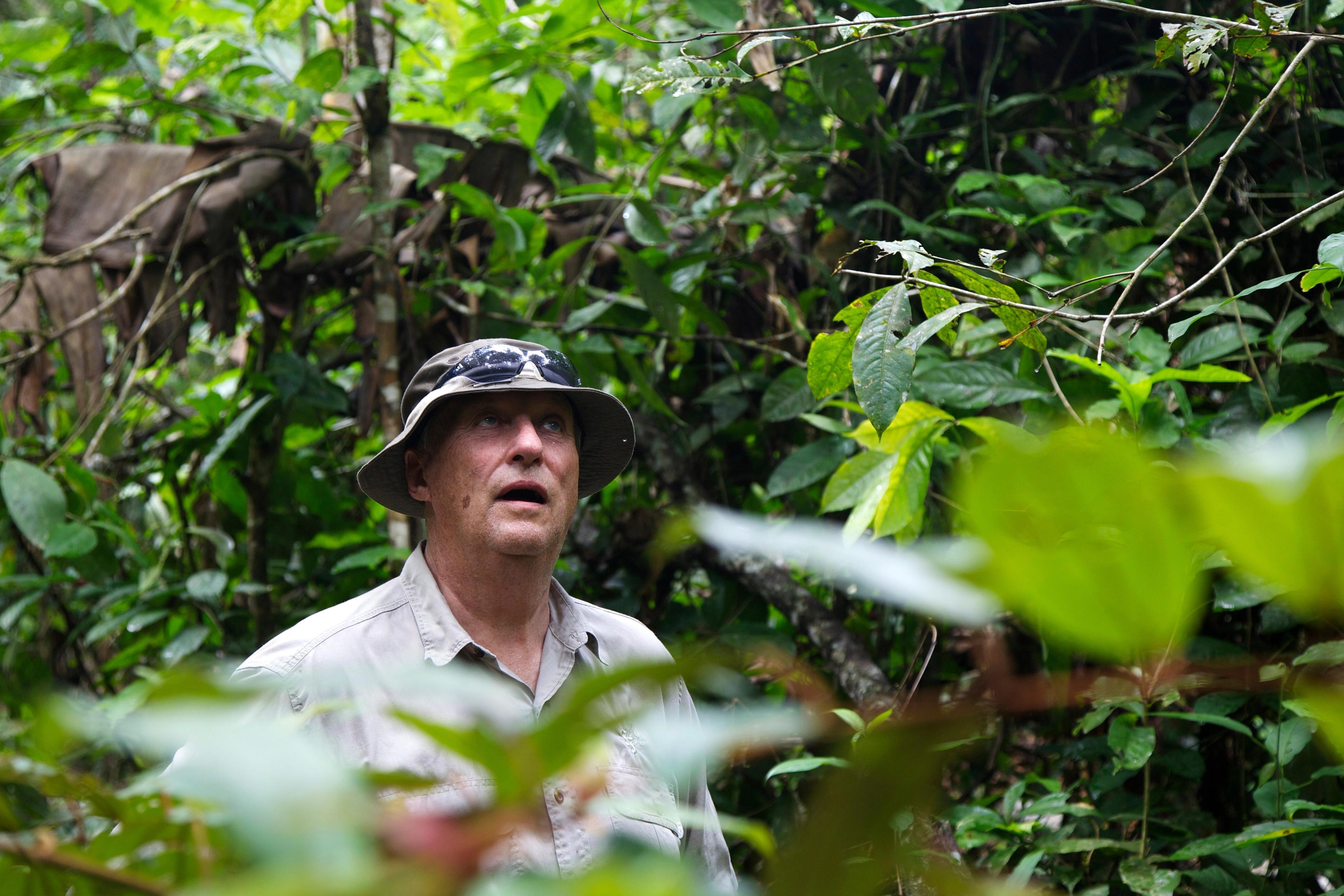
King Harald’s commitment to climate and environmental issues
King Harald was an active outdoorsman, hunter and fisherman. He was deeply committed to promoting nature conservation and environmental protection, and believed it was crucial for the world to take climate change seriously.
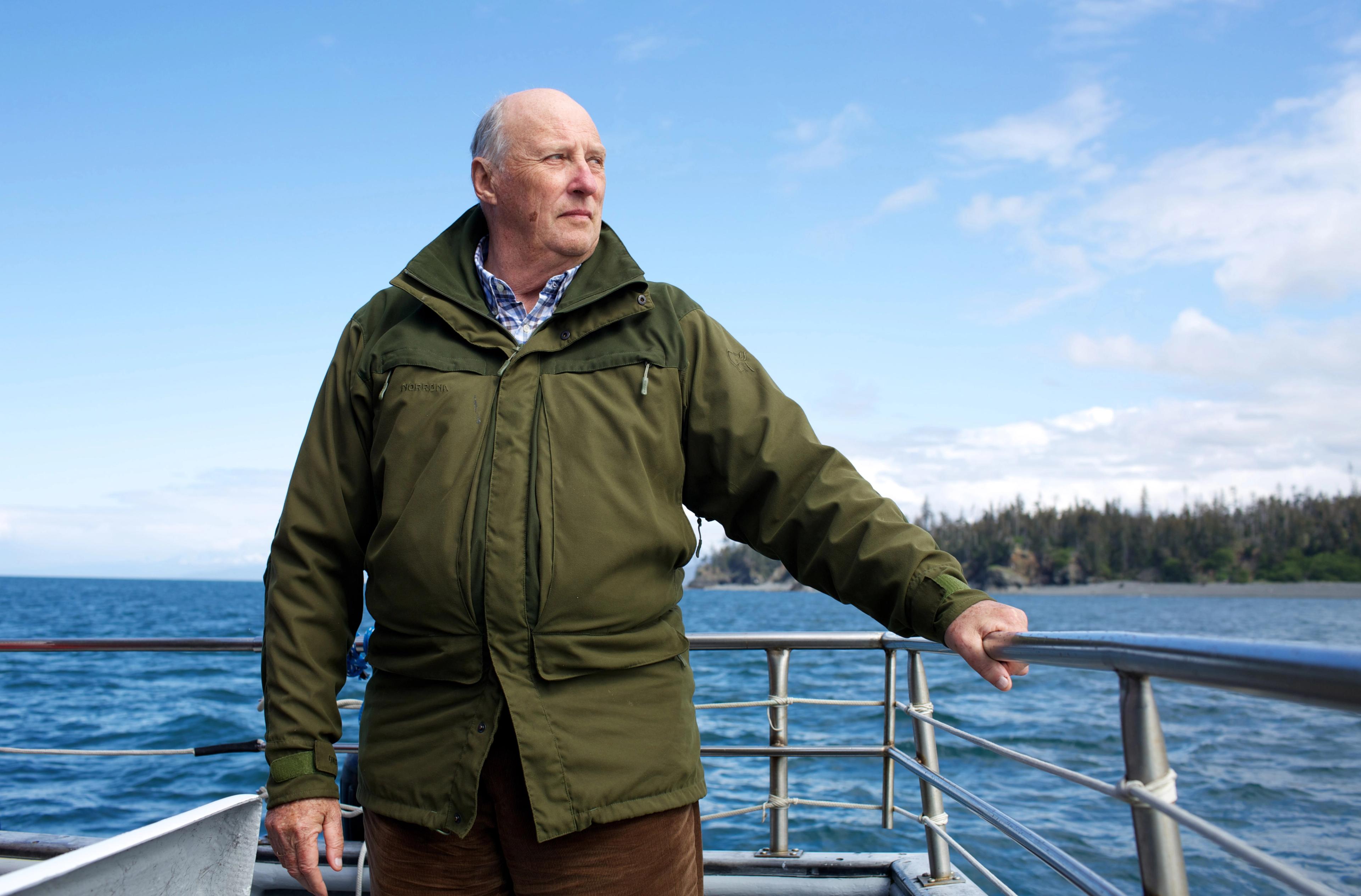
King Harald’s commitment to mitigating climate change, protecting the environment and promoting nature conservation goes back many years. As Crown Prince, he served as President of the Norwegian chapter of the World Wide Fund for Nature (WWF Norge). After acceding to the throne in 1991, he became a patron and honorary member of the organisation.
King Harald’s focus on environmental issues was motivated by two key factors. The first was his great love of hunting and fishing. Every summer he went salmon fishing in Lærdal and Alta. He heartily enjoyed spending time with good friends pursuing his great passion – fishing. Similarly, the moose hunting season in Sikkilsdalen was nearly sacrosanct as part of King Harald’s autumn agenda. King Harald understood the importance of preserving biodiversity both in Norway and in the rest of the world, and of viewing the connections between nature, animals and humans in an overall perspective.
The second motivating factor was his encounter with Sir Peter Scott, who helped to found the WWF in 1961. Scott was the son of South Pole explorer Robert Falcon Scott, and inspired King Harald to establish the Norwegian chapter of the organisation.
Future generations
King Harald often emphasised the importance of safeguarding the environment, especially for future generations. He was concerned about human-induced climate change, and admitted that he sometimes felt less than optimistic about the future of the planet.
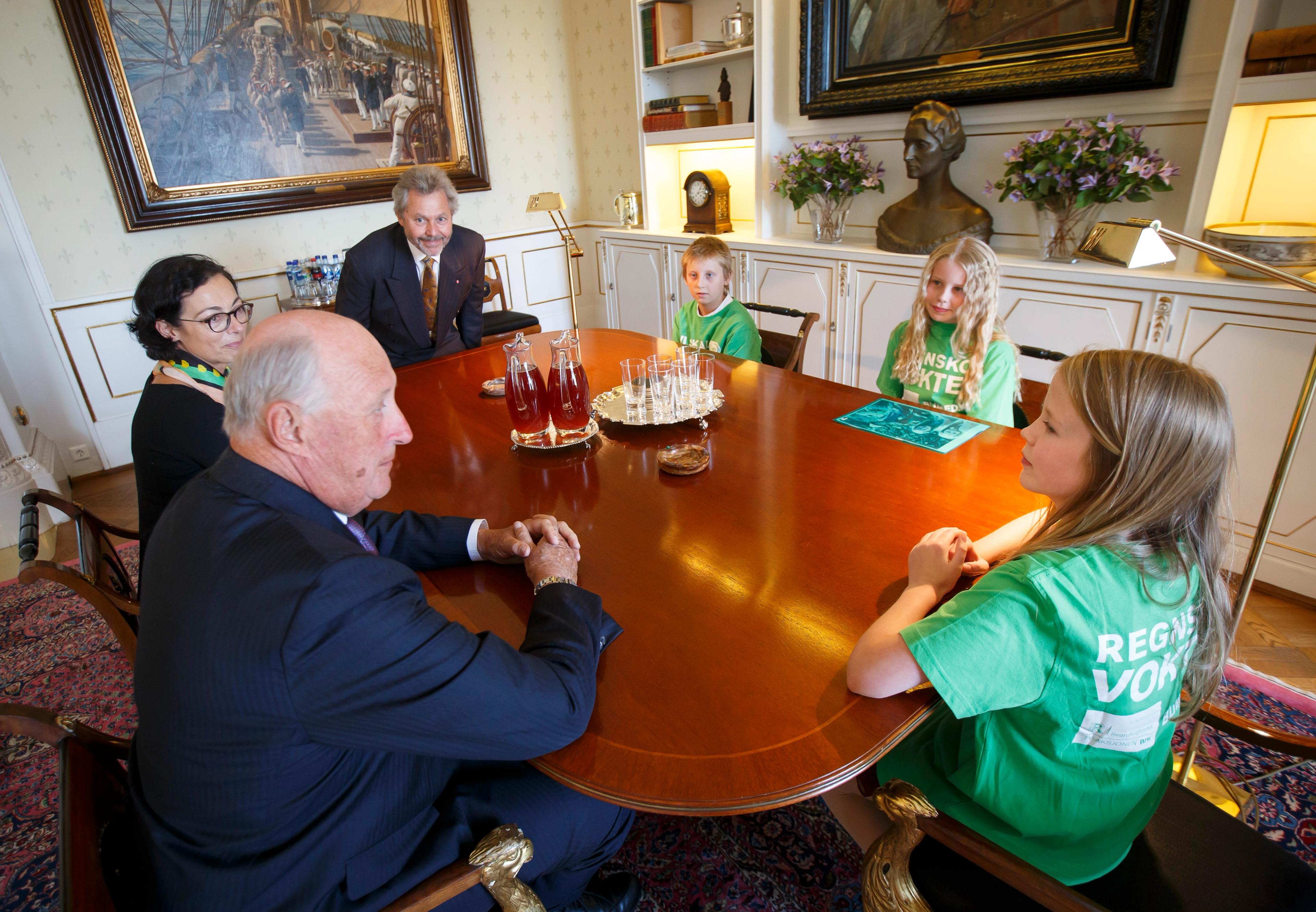
He said that he often talked with his grandchildren about climate and environmental challenges, and even brought this up in his speech to then Princess Ingrid Alexandra when she was confirmed.
“Your strong commitment to the environment fills me with hope, Ingrid. We need it. Norway needs it. The world needs it. And our planet needs it.”
“You are growing up at a time when building bridges between people – and saving the planet – will be among the most important tasks. I am certain that you and your generation, with your knowledge and understanding, will manage to find good solutions. Better than any of us who go before you.”
To the Arctic and Antarctic
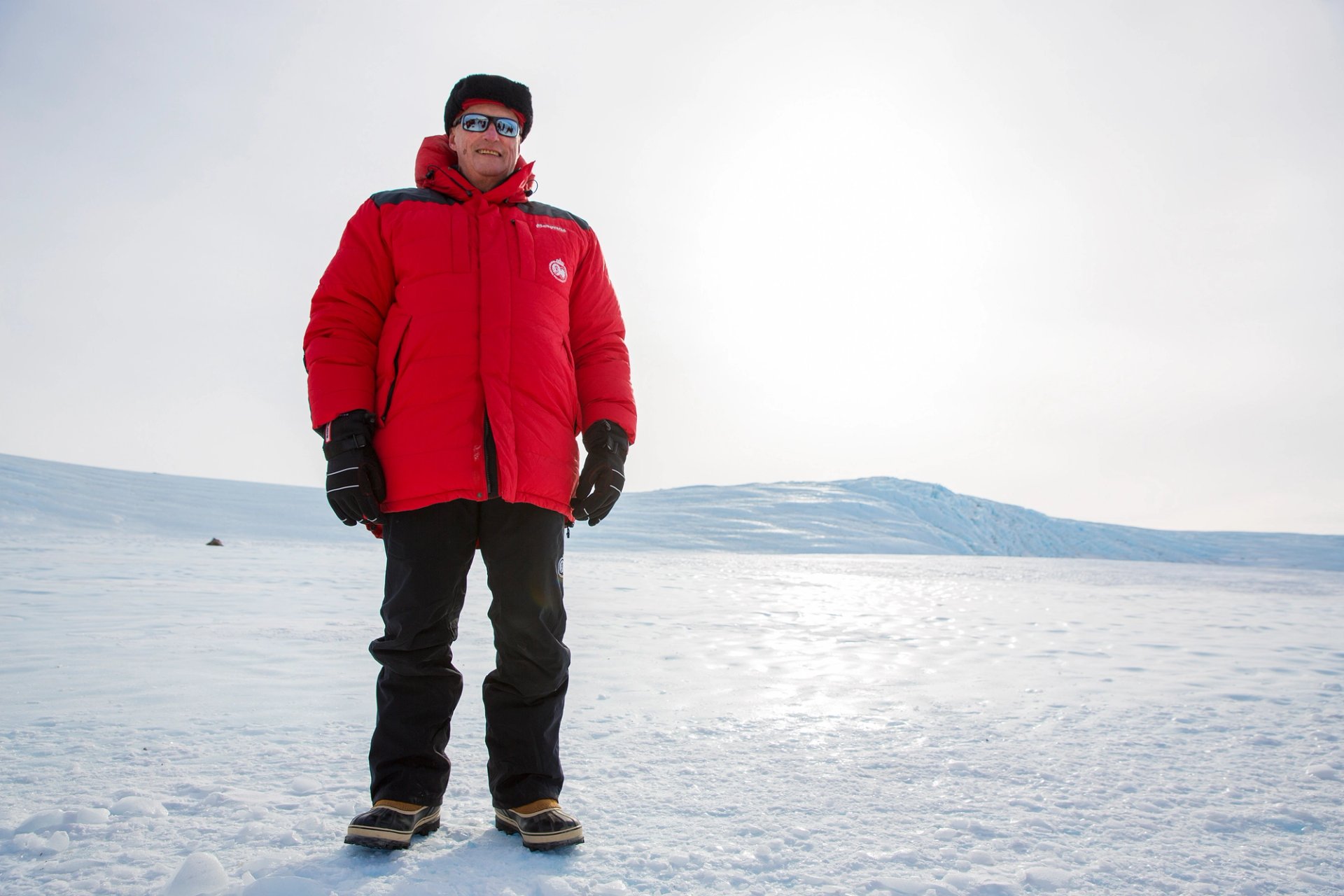
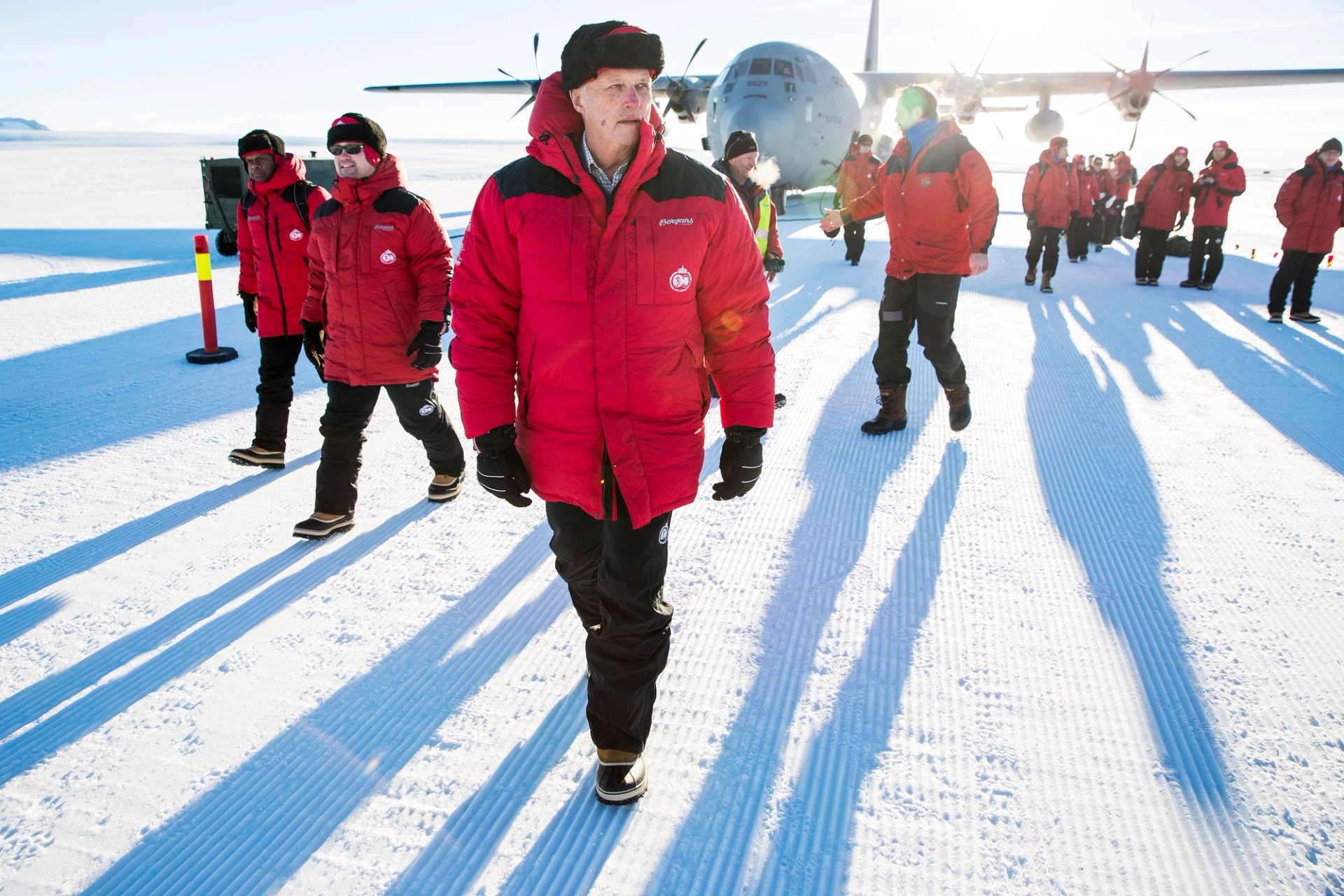
King Harald’s interest in the impacts of climate change took him to Alaska, Svalbard and Antarctica. He visited the Norwegian research station Troll in Queen Maud Land, where the Norwegian Institute for Air Research and a number of other institutions carry out scientific measurements. Although Antarctica has the cleanest air in the world, emissions from elsewhere on the planet are making themselves felt there.
“I think today’s children will be much more sensible than we have been.”
King Harald after his visit to Antarctica
King Harald pointed out that today's youth are both more knowledgeable and more aware of environmental protection than previous generations.
Visit to the Brazilian rainforest
King Harald considered it vital to incorporate the knowledge and rights of indigenous peoples into environmental protection efforts. He believed that society at large would benefit from the valuable insights of people who had lived in close proximity to the natural world for generations.
Conservation of the rainforest was a cause that was close to his heart, and in 2013 he fulfilled a long-held dream of travelling to the Amazon region. He spent four days living with the Yanomami people, learning more about the role of the rainforest in the climate system and about the impact of climate change on indigenous peoples.
“After we had been there for four days and returned to so-called civilisation, I was very much in doubt as to whether we had travelled to or from it. It was the people we had visited who were living in harmony with nature. Completely and absolutely,” said King Harald after his stay in connection with the 25th anniversary of the Rainforest Foundation Norway.
“All life on Earth is important for the planet. We are in danger of tipping a balance that could be lost forever.”
King Harald in his New Year's address in 2013