The King of Norway for 35 years
His Majesty King Harald V was the King of Norway from 17 January 1991 until his death on 28 August 2026. Like his father and his grandfather, King Harald adopted the motto Alt for Norge (“We give our all for Norway”).
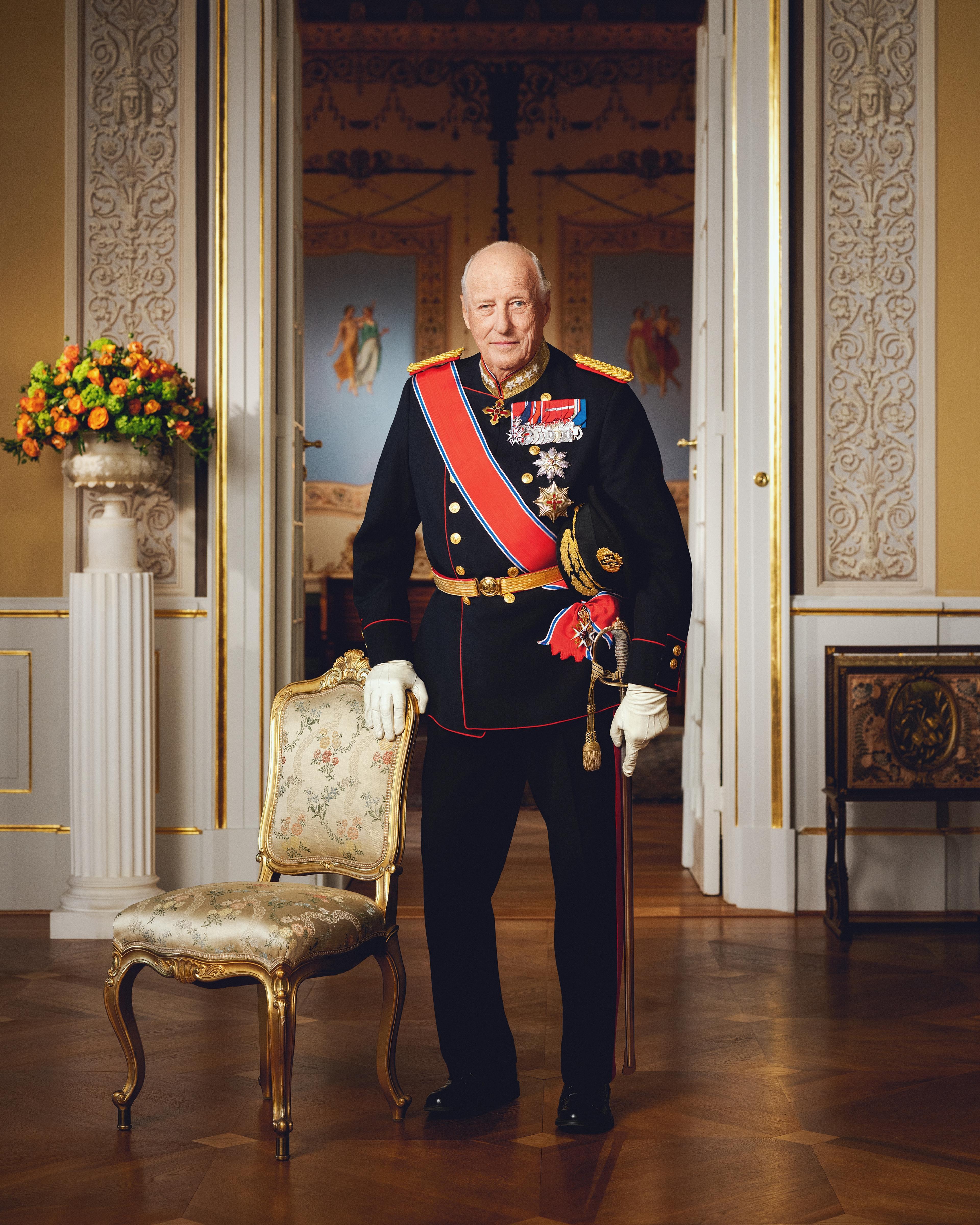
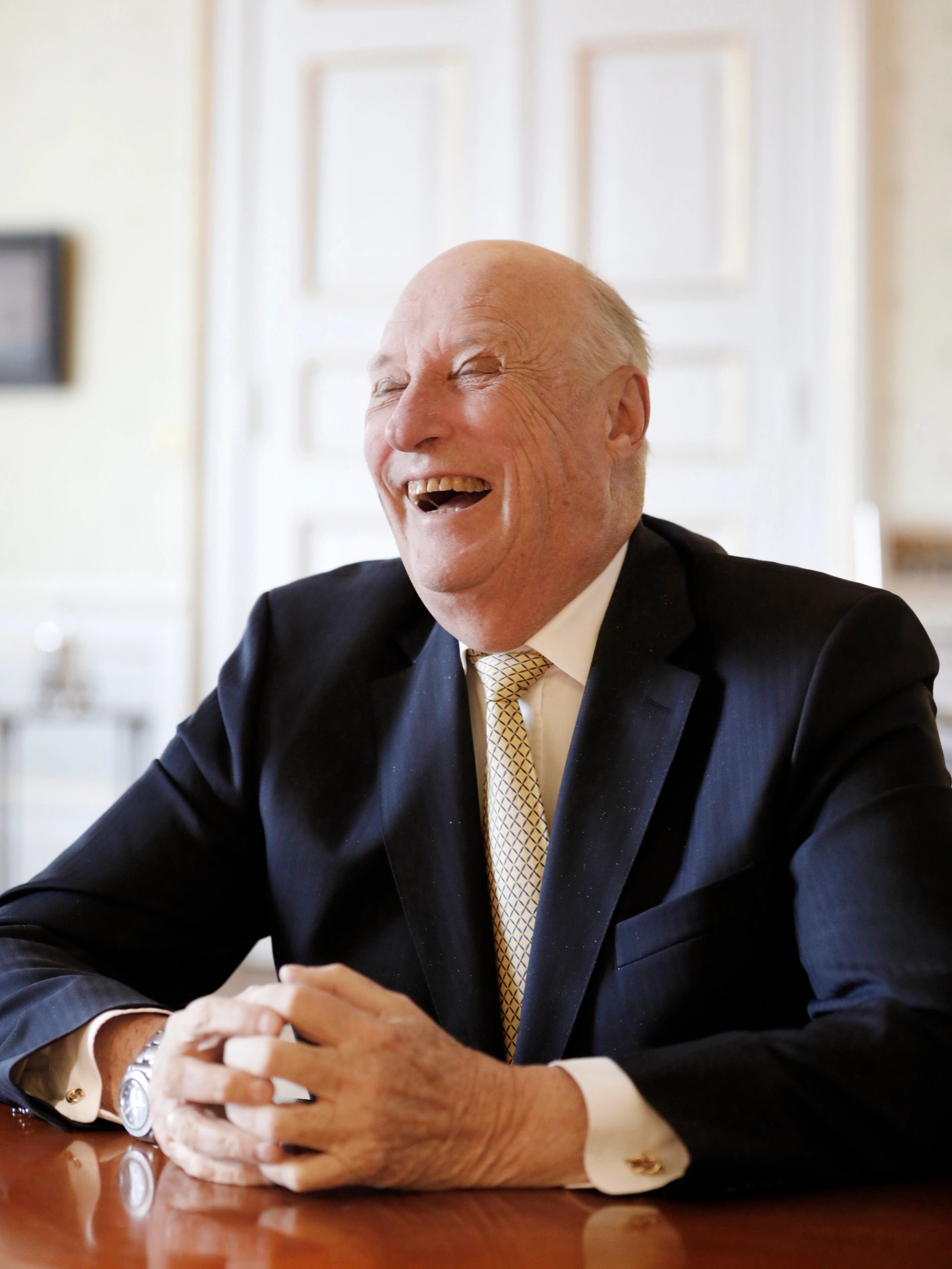
King Harald was the third King of the modern Norwegian monarchy. With his gentle humour, strong sense of duty and impressive work capacity, he became a beloved monarch who was known for his compassion and ability to see the good in others. King Harald was deeply committed to Norway, and viewed himself as called to royal service.
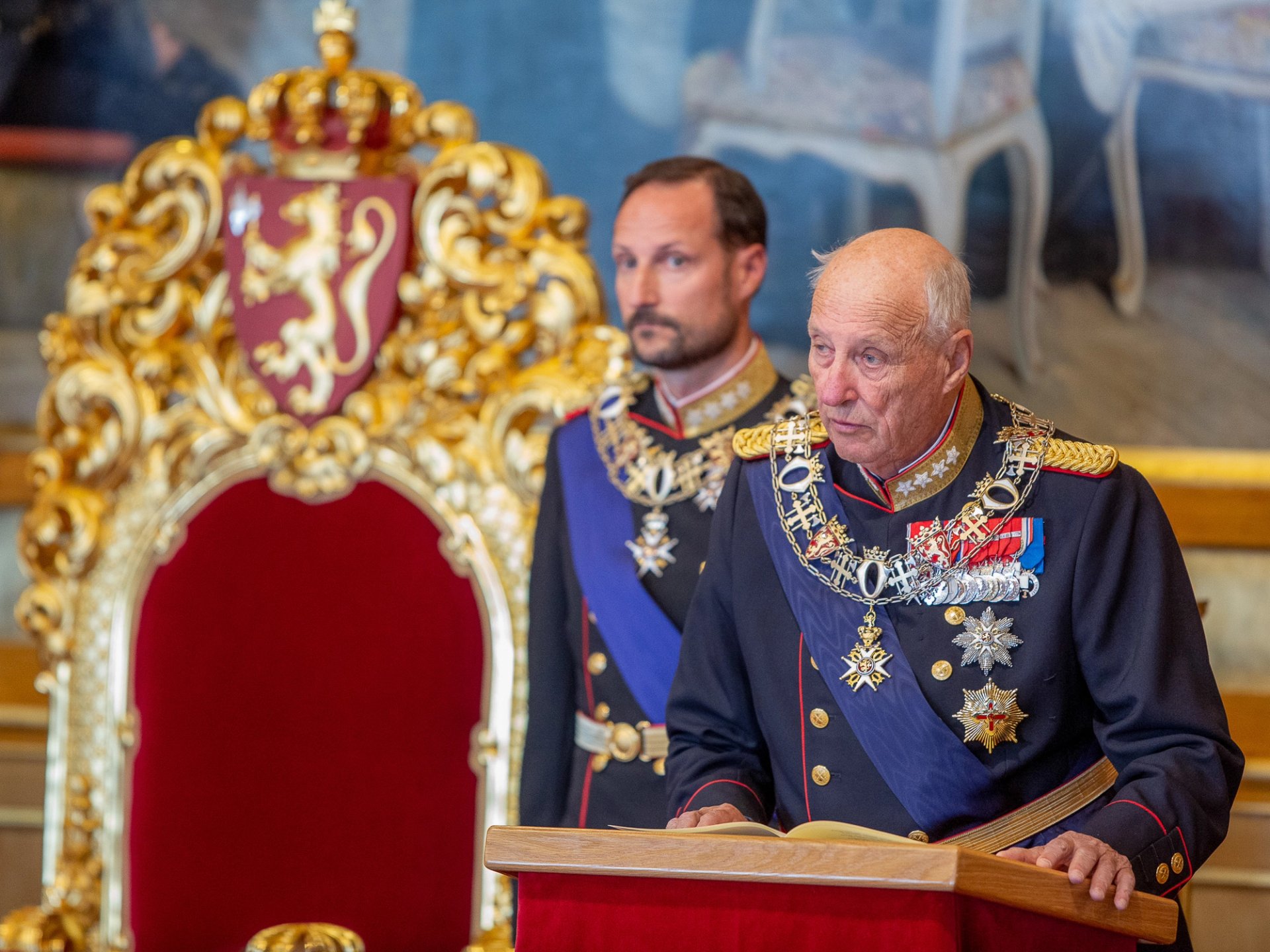
In addition to his constitutional duties as monarch – such as opening the Storting (Norwegian Parliament) each autumn, presiding over the Council of State and receiving ambassadors to Norway in a formal audience – King Harald met people all over the country during his many trips across Norway.
Unifying force
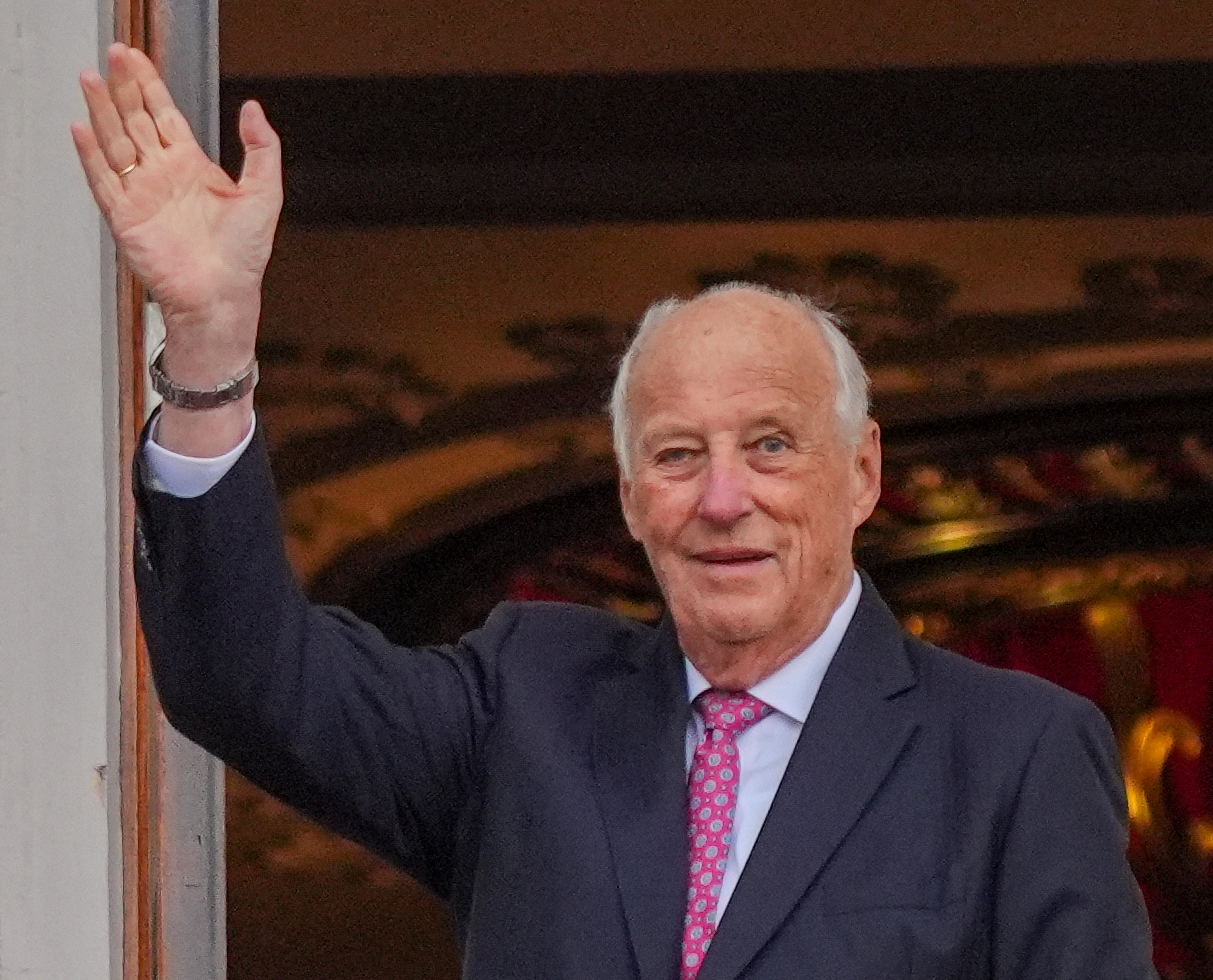
King Harald was a focal point, unifying the country in times of joy as well as sorrow. The image of the Norwegian monarch and his family waving from the Palace Balcony has been the quintessential symbol of Constitution Day in Norway since 1905.
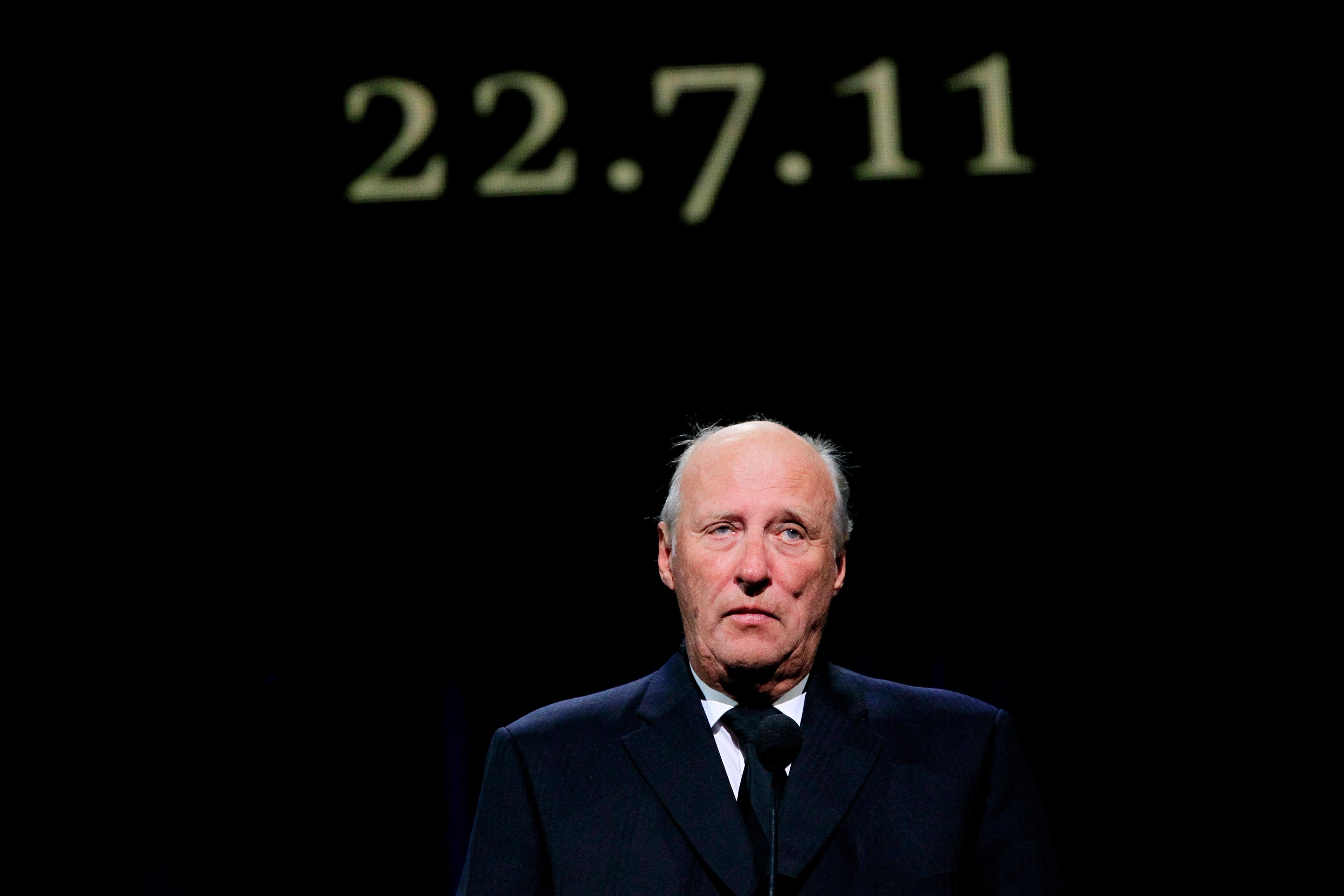
When terrorism struck the country on 22 July 2011, King Harald put into words the anguish that Norwegians felt:
"As a father, grandfather and husband, I have some feeling of what you are going through, but I can only imagine the depth of your pain. As the King of this nation, I feel for each and every one of you."
King Harald then clearly stated his convictions:
"I firmly believe that freedom is stronger than fear.
I firmly believe in an open Norwegian democracy and society.
And I firmly believe that we will uphold our ability to live freely and securely in our own country."
Travel in Norway and around the world
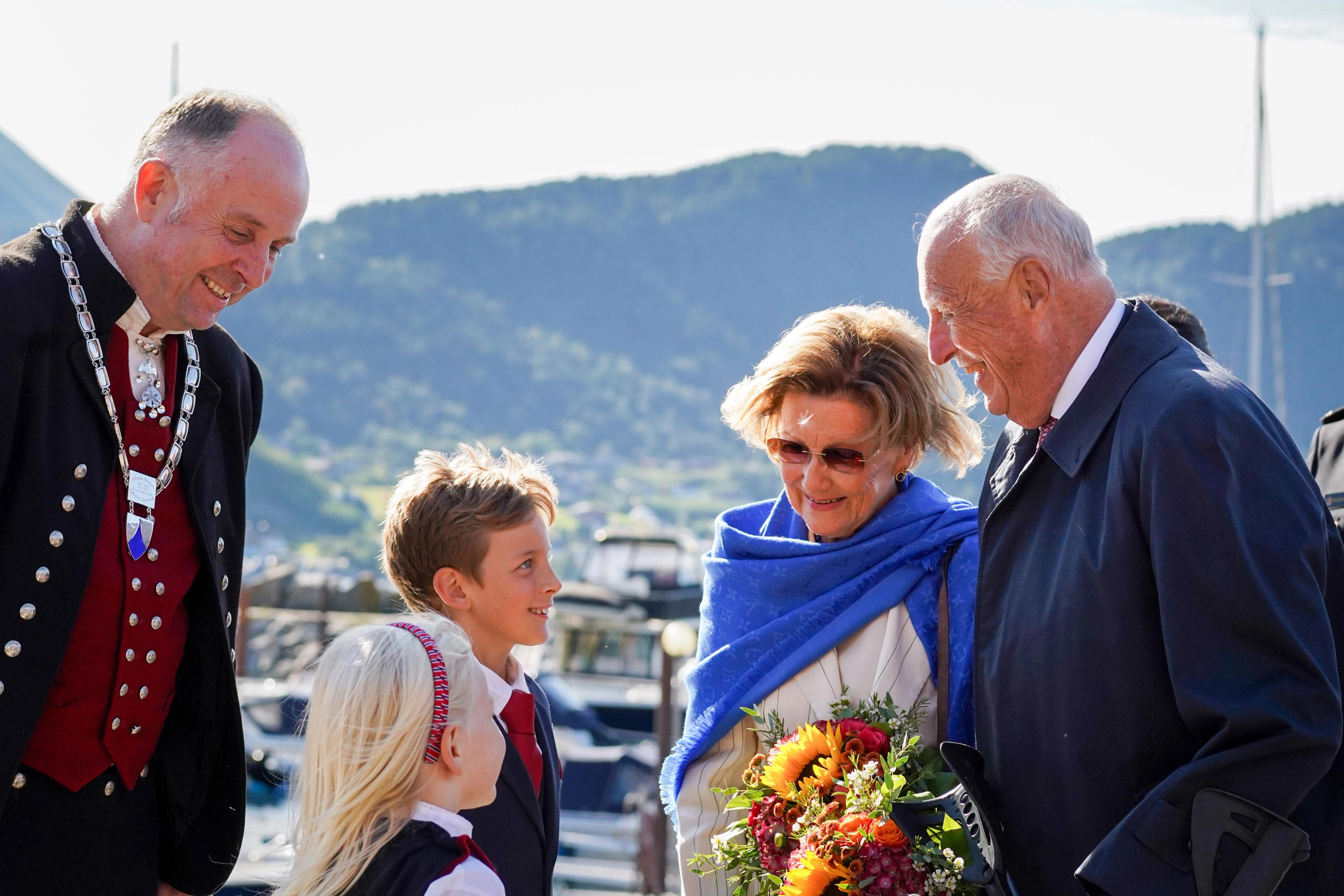
King Harald and Queen Sonja attached great importance to visiting all the counties across Norway and paid official visits to 353 of Norway’s 357 municipalities. Few Norwegians have had more insight into the country than King Harald did, and he often said these local visits were among the activities he and Queen Sonja cherished most.
King Harald and Queen Sonja also hosted a broad range of events at the Royal Palace to honour the efforts of volunteers, dedicated local leaders, athletes and others who in various ways had worked to benefit Norwegian society.
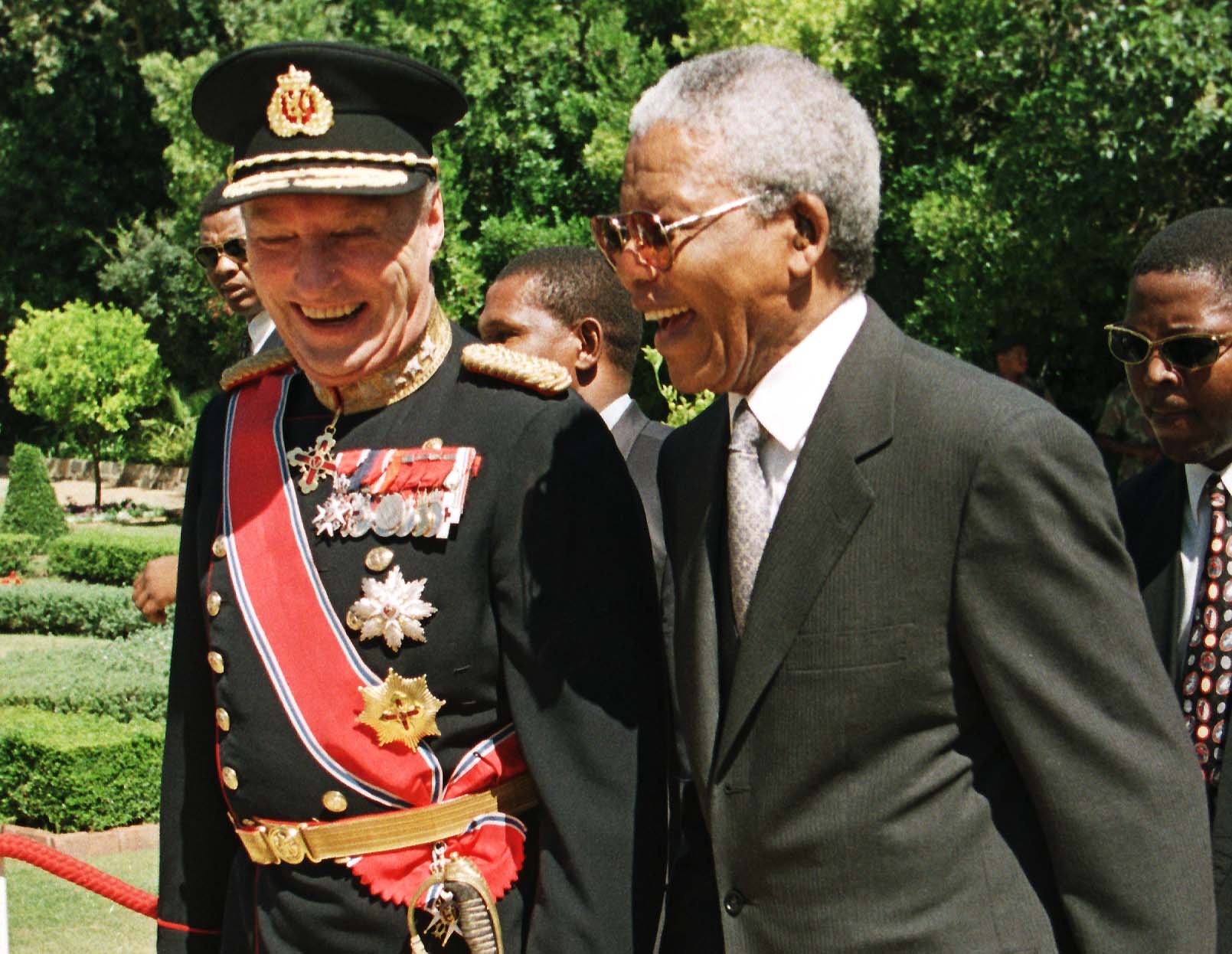
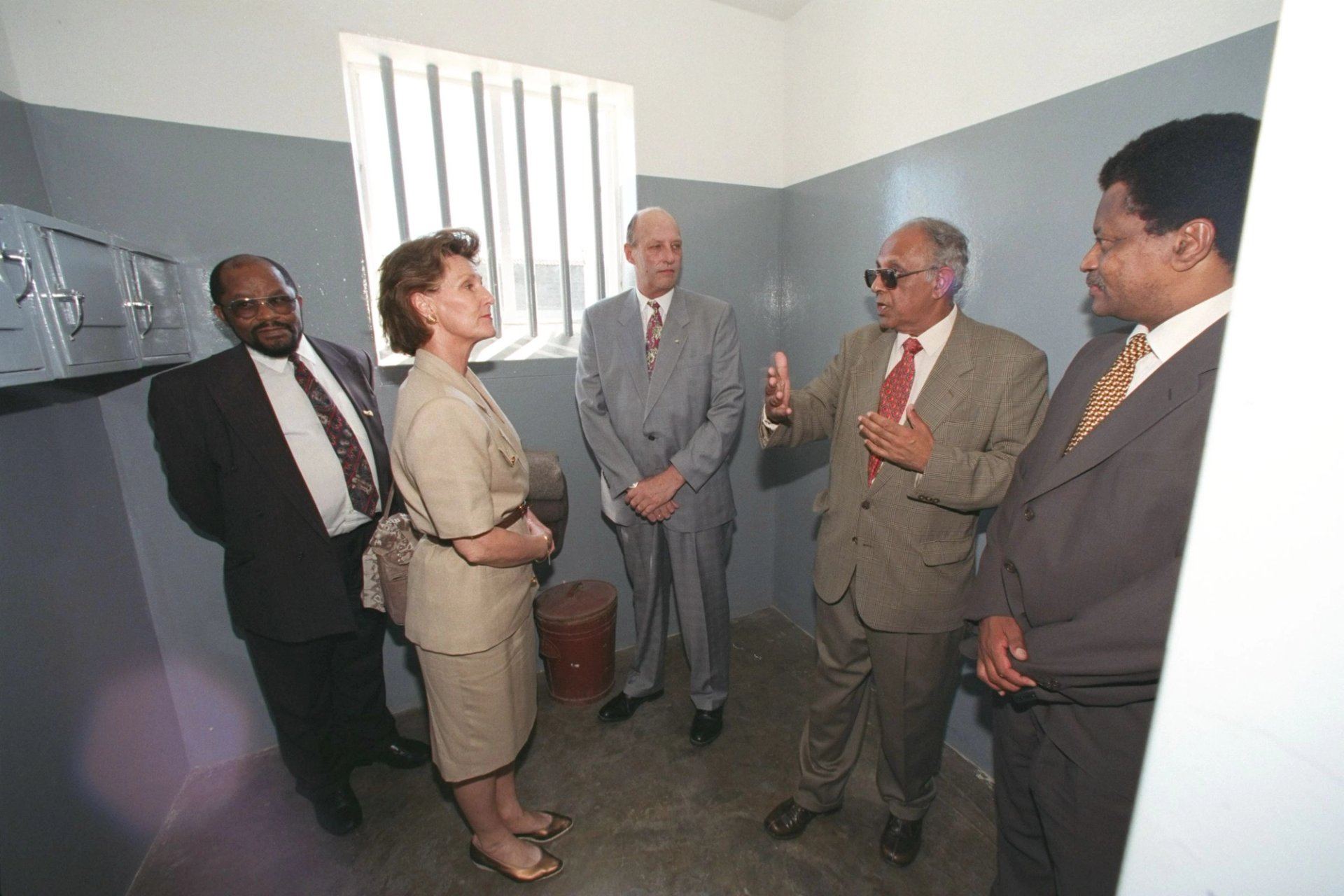
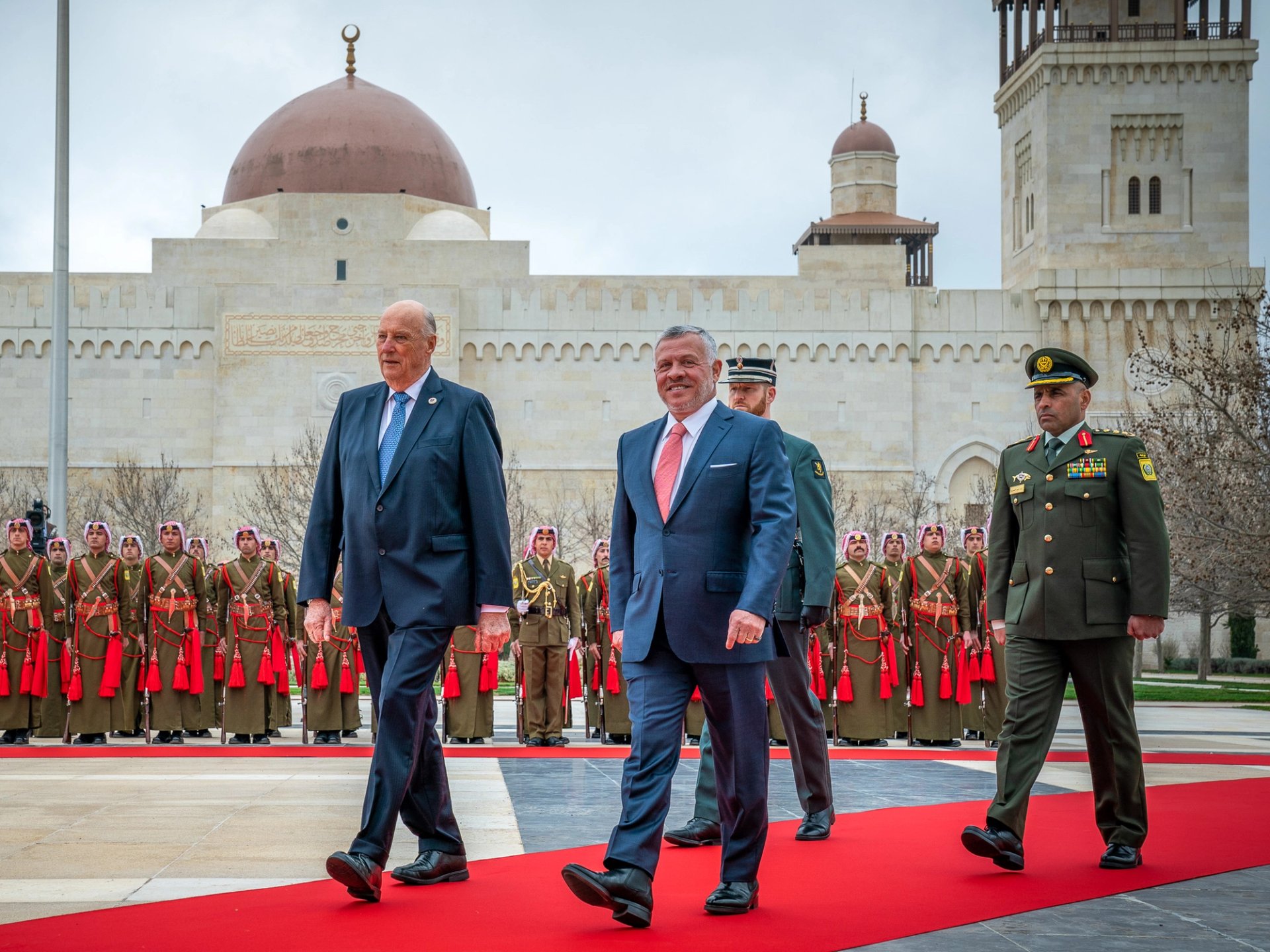
King Harald represented Norway with pride. During their 35 years as Norway’s King and Queen, he and Queen Sonja carried out 50 state visits abroad and hosted many international Heads of State while they were visiting Norway.
Norway’s Head of State
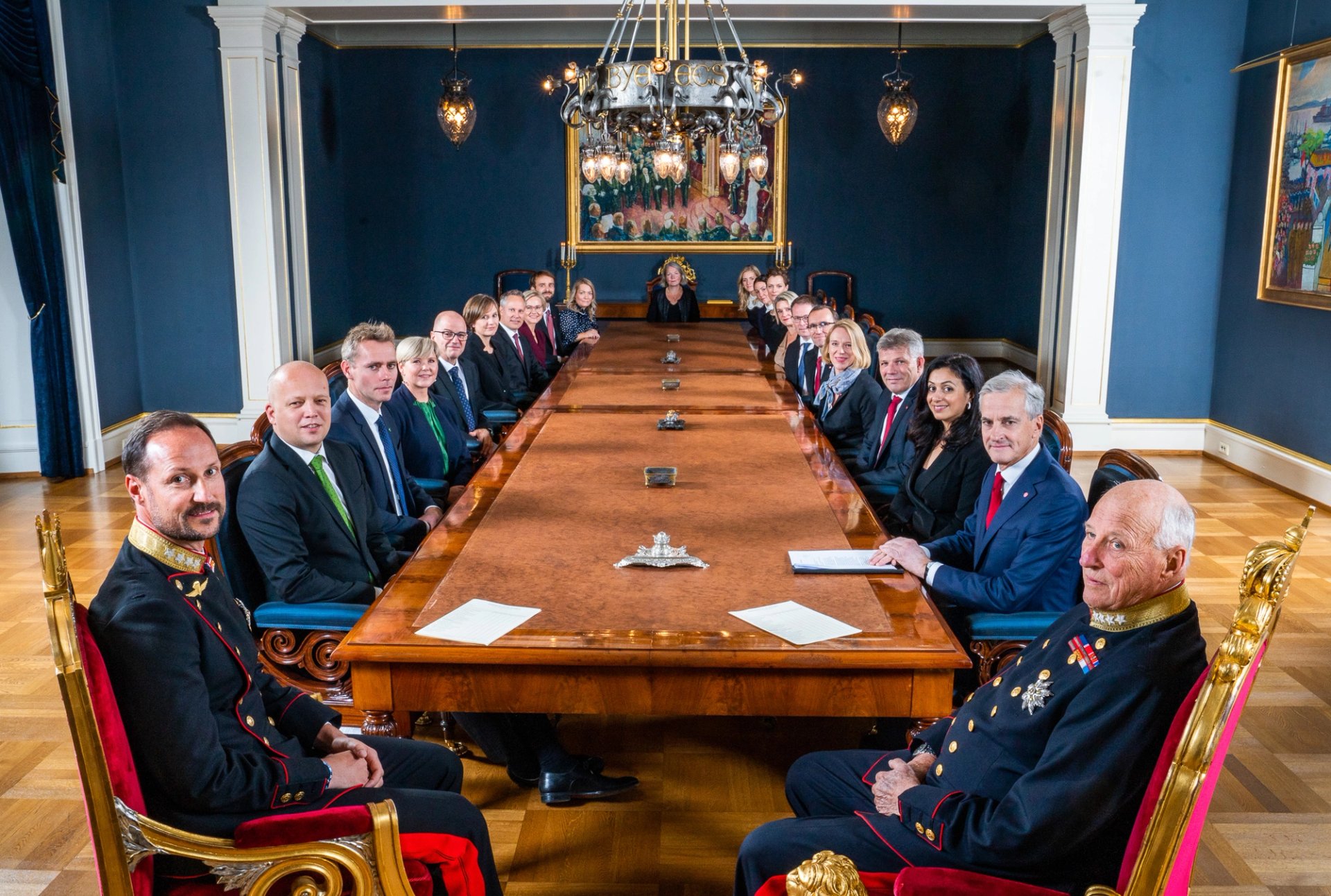
As Head of State, King Harald played a central role in the formal appointment of new Governments. He presided over weekly meetings of the Council of State at the Royal Palace for eight successive Governments, from 1991 to 2026. The first of these was Prime Minister Gro Harlem Brundtland’s third Government. The last Government to convene around King Harald’s table was that of Prime Minister Jonas Gahr Støre, starting in 2021.
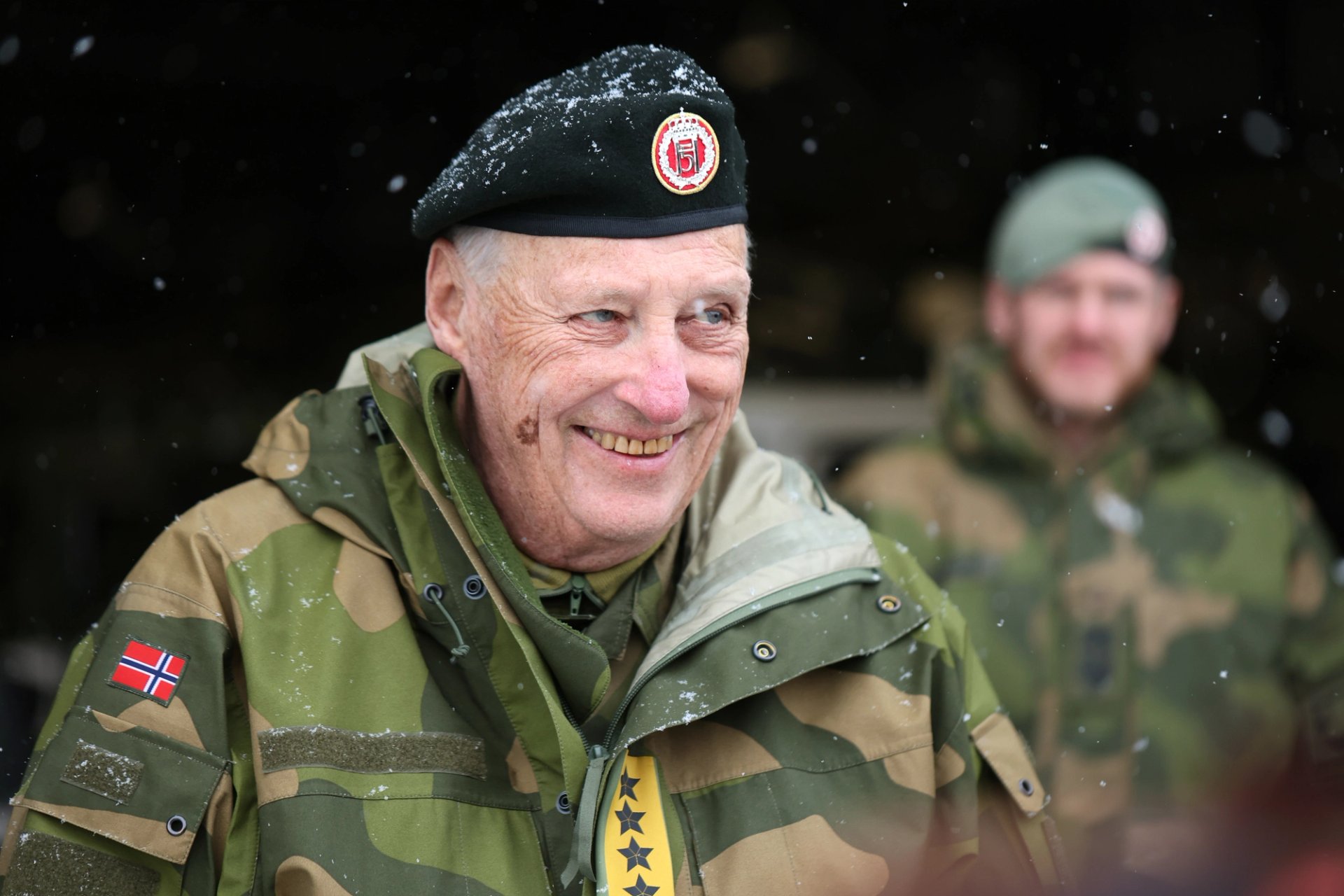
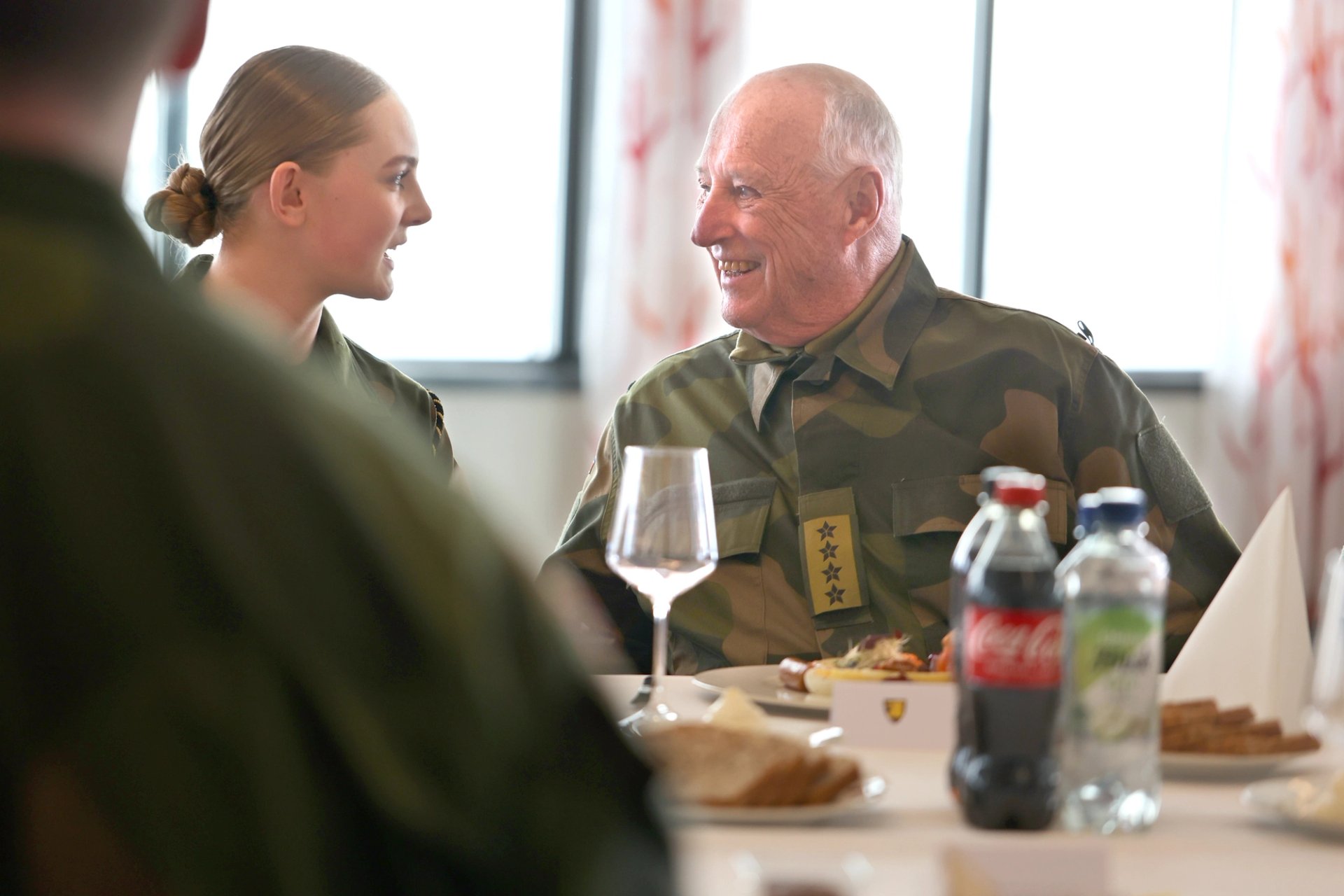
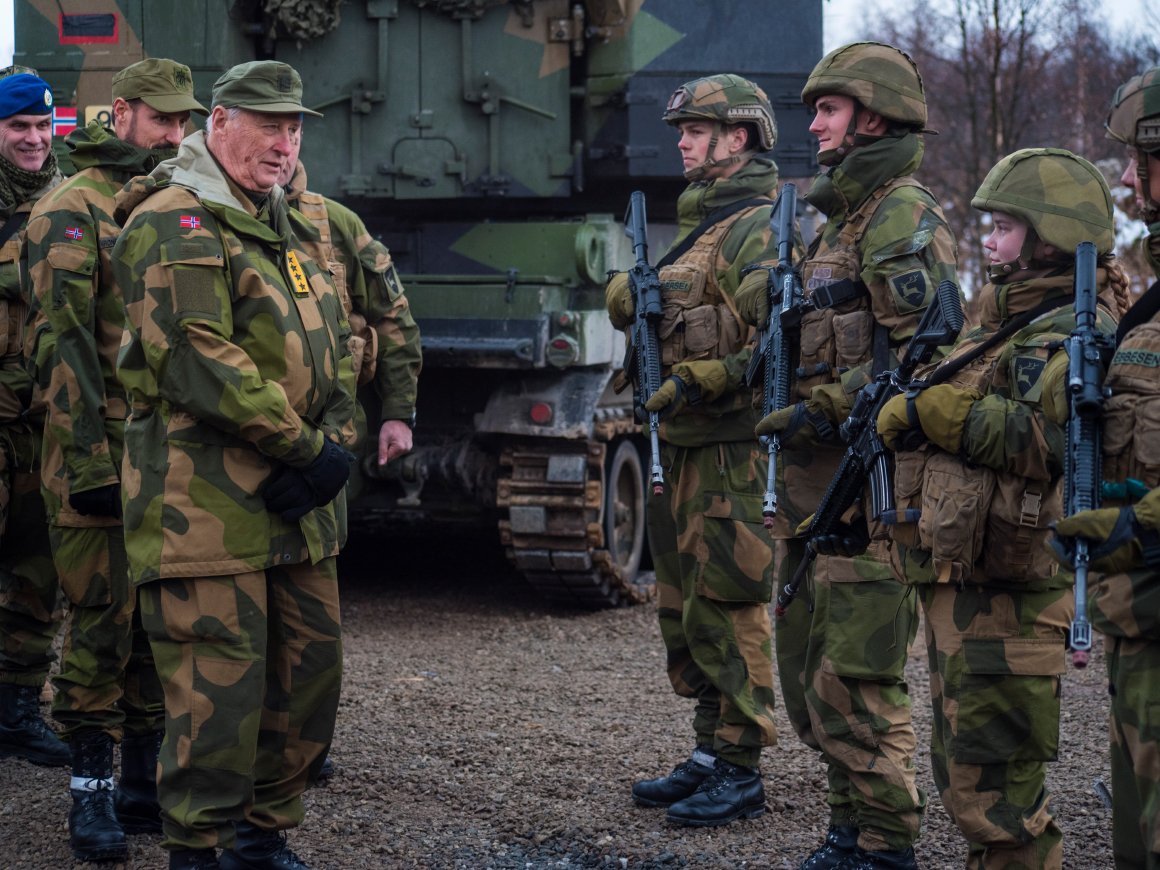
King Harald held the rank of General in the Army and Air Force and Admiral in the Navy, and was the country’s highest ranking officer. He had a long tradition of participating in annual military exercises and greatly enjoyed meeting young conscripts serving their country.
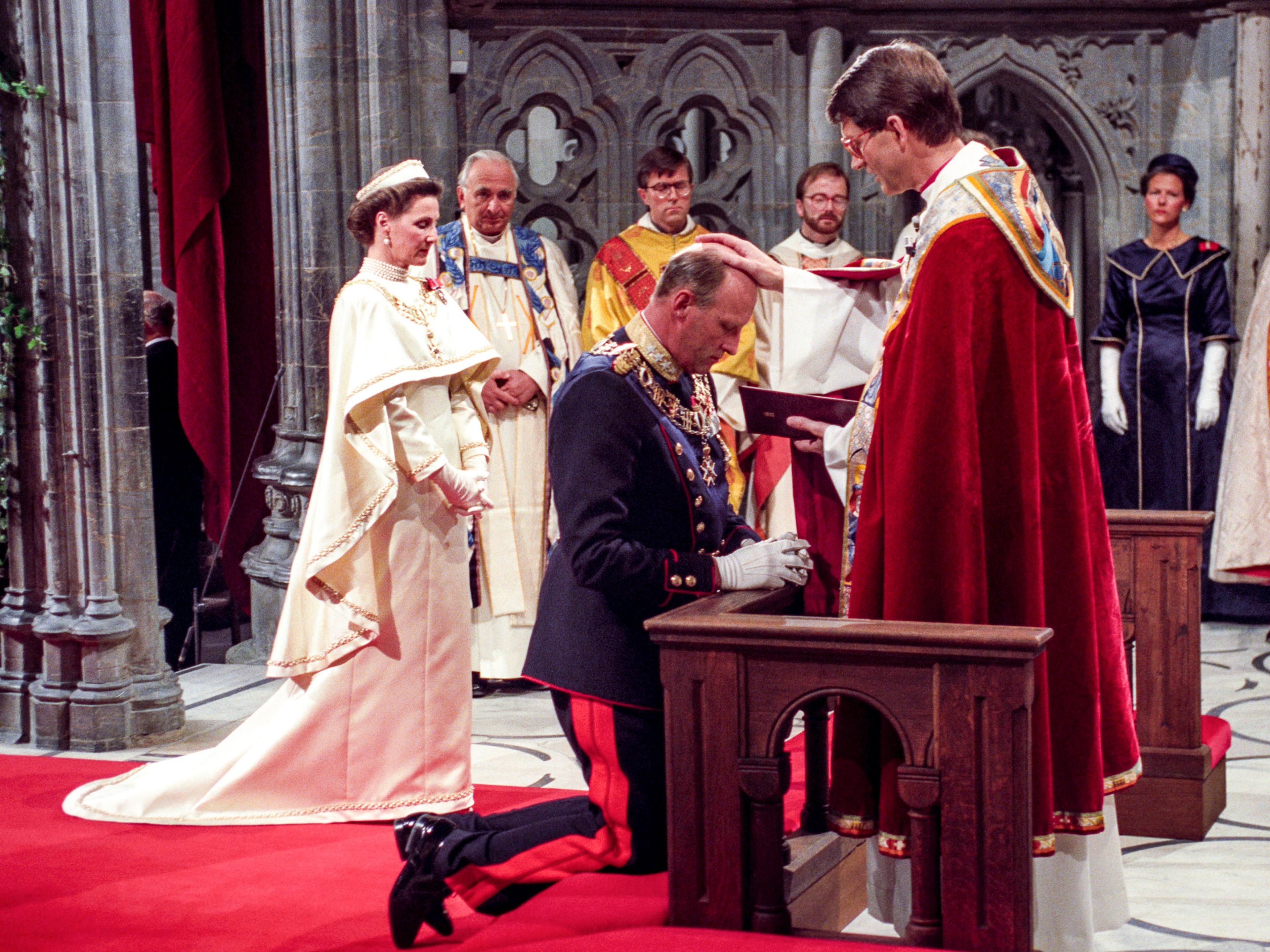
Throughout his life, King Harald had strong ties to the Church of Norway. It was natural for him to follow the tradition established by King Olav and take part in a consecration ceremony at Nidaros Cathedral.
He also attended the consecration of bishops and enjoyed paying visits to churches in cities and villages during his official trips in Norway, as well as to the Sjømannskirken – Norwegian Church Abroad – when he was in other countries. It was customary for King Harald to attend church services in connection with the observation of holidays and important family celebrations.
But the King also sought to embrace all the religions of Norway as a multicultural society. He firmly believed that being secure in one's personal life stance was a strength when meeting people of another faith. In his 2017 New Year’s address, he stated: "My experience is that a profound awareness of one’s own traditions and heritage makes it easier to meet others with an open mind."
King and keen sportsman
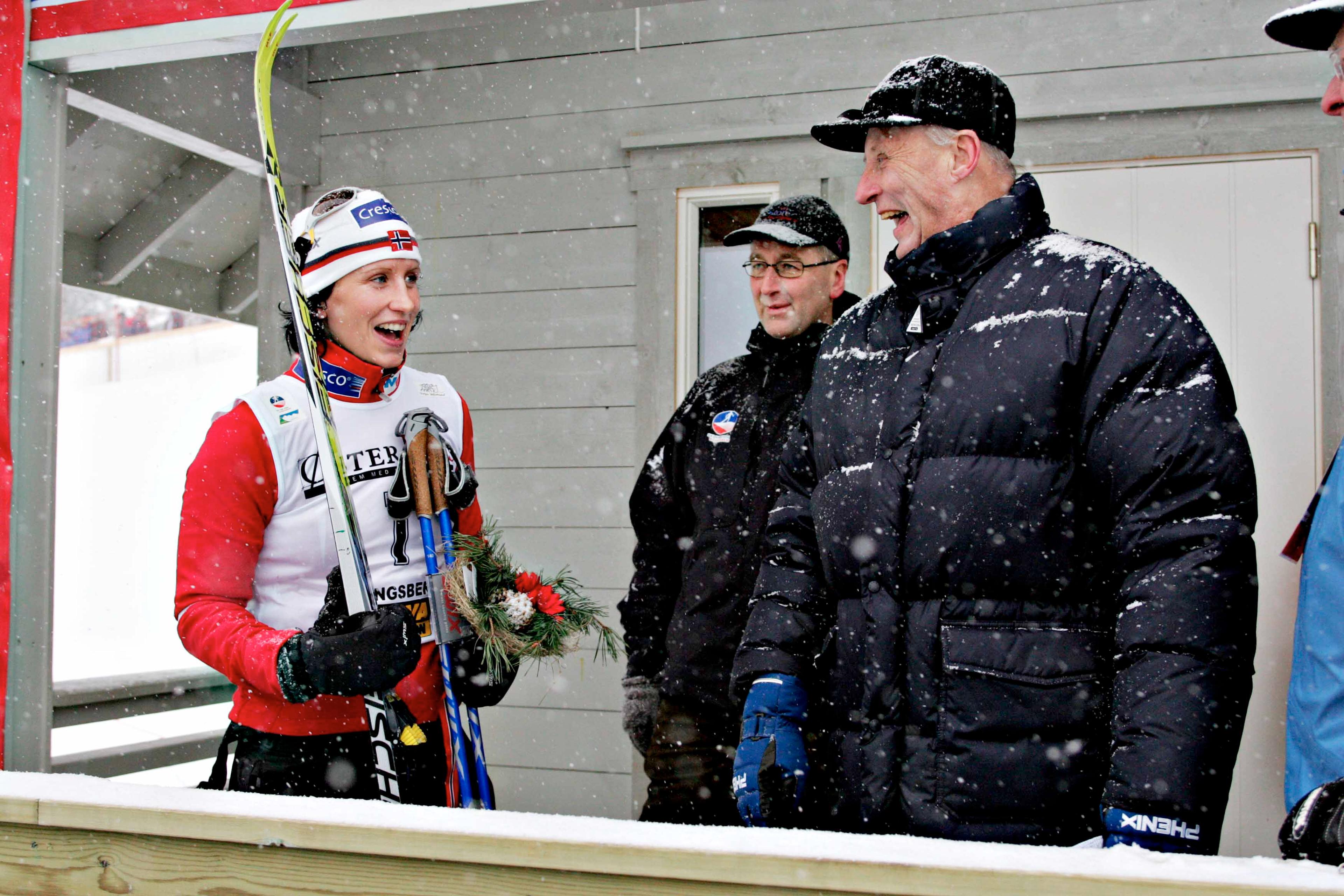
King Harald's interest in sport was widely known. Enthusiastic and highly knowledgeable, he attended countless ski competitions at Holmenkollen in Oslo as well as national championships, world championships and Olympic Games. He shared in the athletes’ triumphs and disappointments and was in attendance in the Royal Box whatever the weather. He was proud to call himself a sports fanatic and had a sharp competitive instinct himself. In his many years as an active sailor, he and his crew achieved excellent results in numerous international championships.
Opened up the Royal Palace
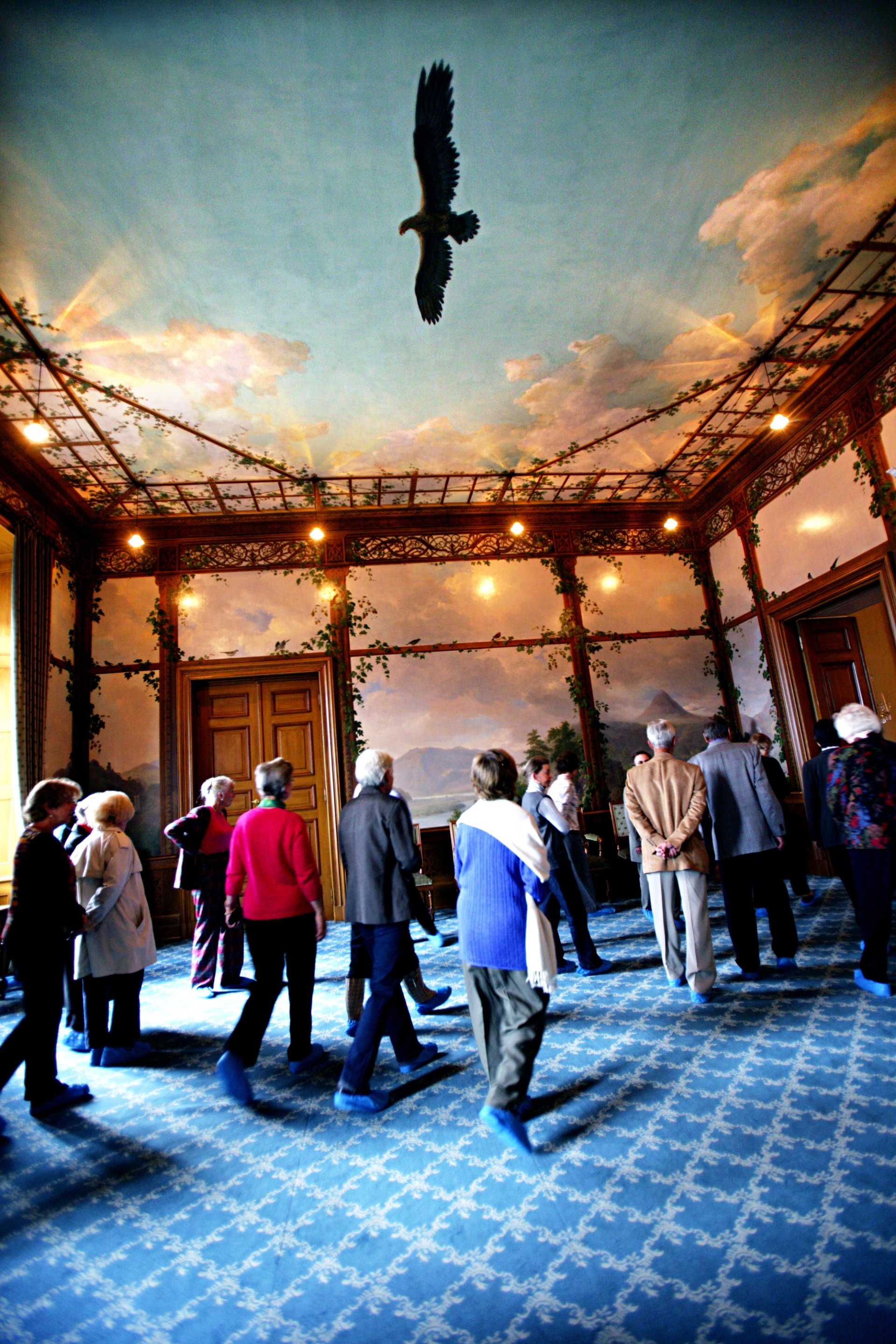
King Harald and Queen Sonja took the initiative to open the Royal Palace for tours, and the first visitors came through the gates in the summer of 2000. In recent years more than 50,000 people have taken part in guided tours during the weeks the Royal Palace is open.
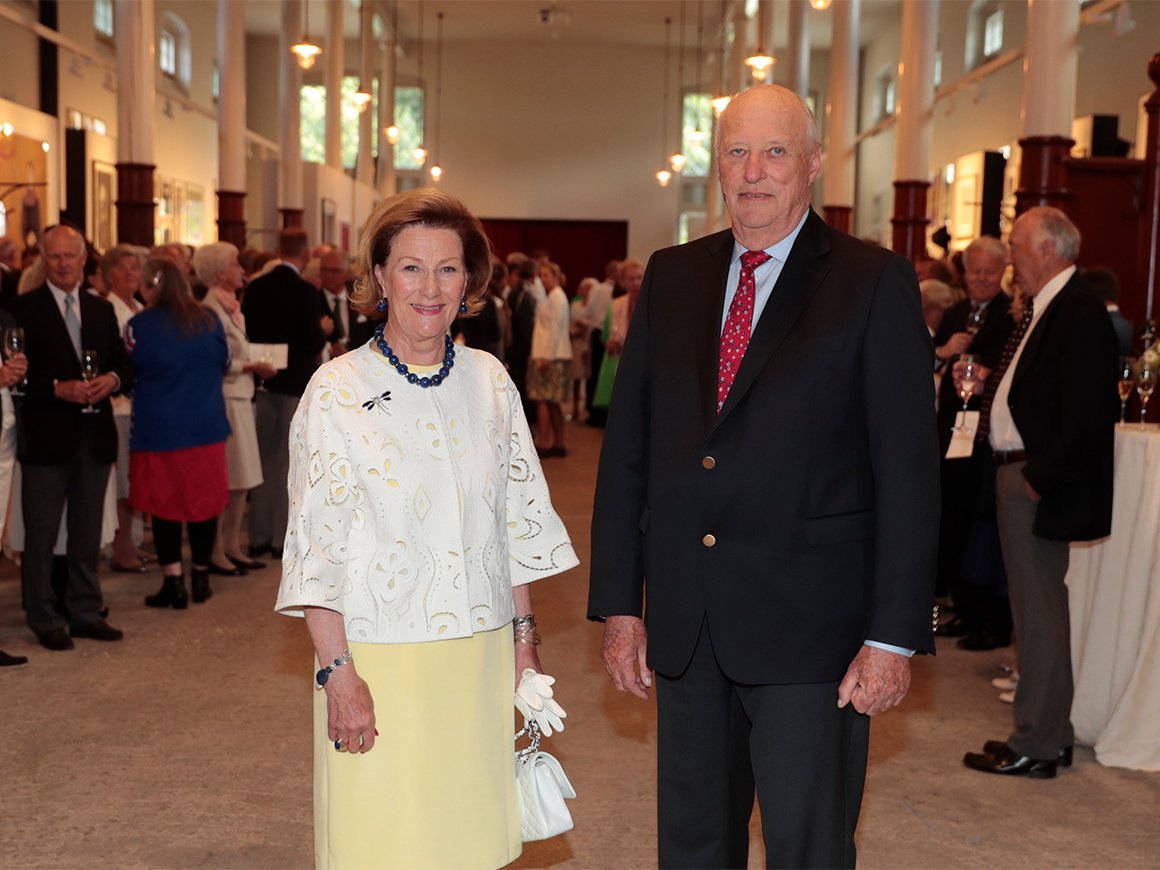
King Harald also converted the former stables at the Palace into a centre for culture, art and historical exhibitions. The Queen Sonja Art Stable opened on 4 July 2017 – a gift from King Harald to the Queen on her 80th birthday. The adjacent Riding Hall from the time of King Haakon and Queen Maud was opened in 2023.
A King for everyone
King Harald met individuals from all walks of life and in every imaginable situation. Some had lost everything they owned in a flood or a landslide. Others were athletes with medals around their necks. The King granted an audience to people struggling with drug addiction, and he listened to children as they unburdened their hearts by telling him about their painful experiences.
King Harald had a strong sense of fairness and was deeply committed to safeguarding equality. As he saw it, everyone deserved equal treatment – a view he extended to nations as well. When guests came to visit the Royal Palace, the warm, formal reception was always the same.
Inclusion was a frequent topic in the King's speeches. Many appreciated in particular speeches he gave at milestone events, such as at the Partisan Memorial in Kiberg in 1992 and at the opening of the Sámi Parliament in 1997. In these speeches, King Harald acknowledged injustices committed against the World War II partisans of Finnmark and against the Sámi population.
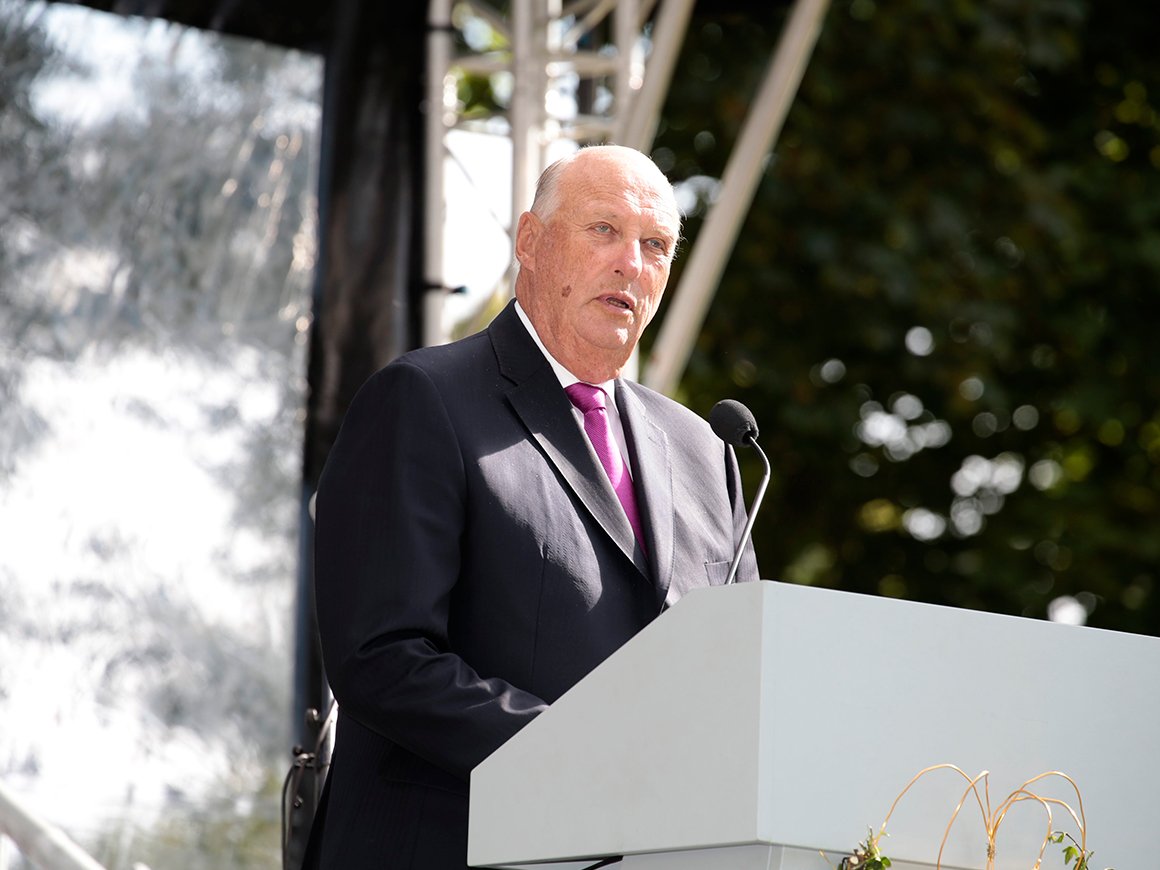
Speaking in the Palace Park on 1 September 2016, King Harald made perhaps his strongest statement in support of everyone's right to belong, to be part of Norway. He said: "Norwegians are girls who love girls, boys who love boys, and girls and boys who love each other. Norwegians believe in God, Allah, the Universe and nothing."
Family man
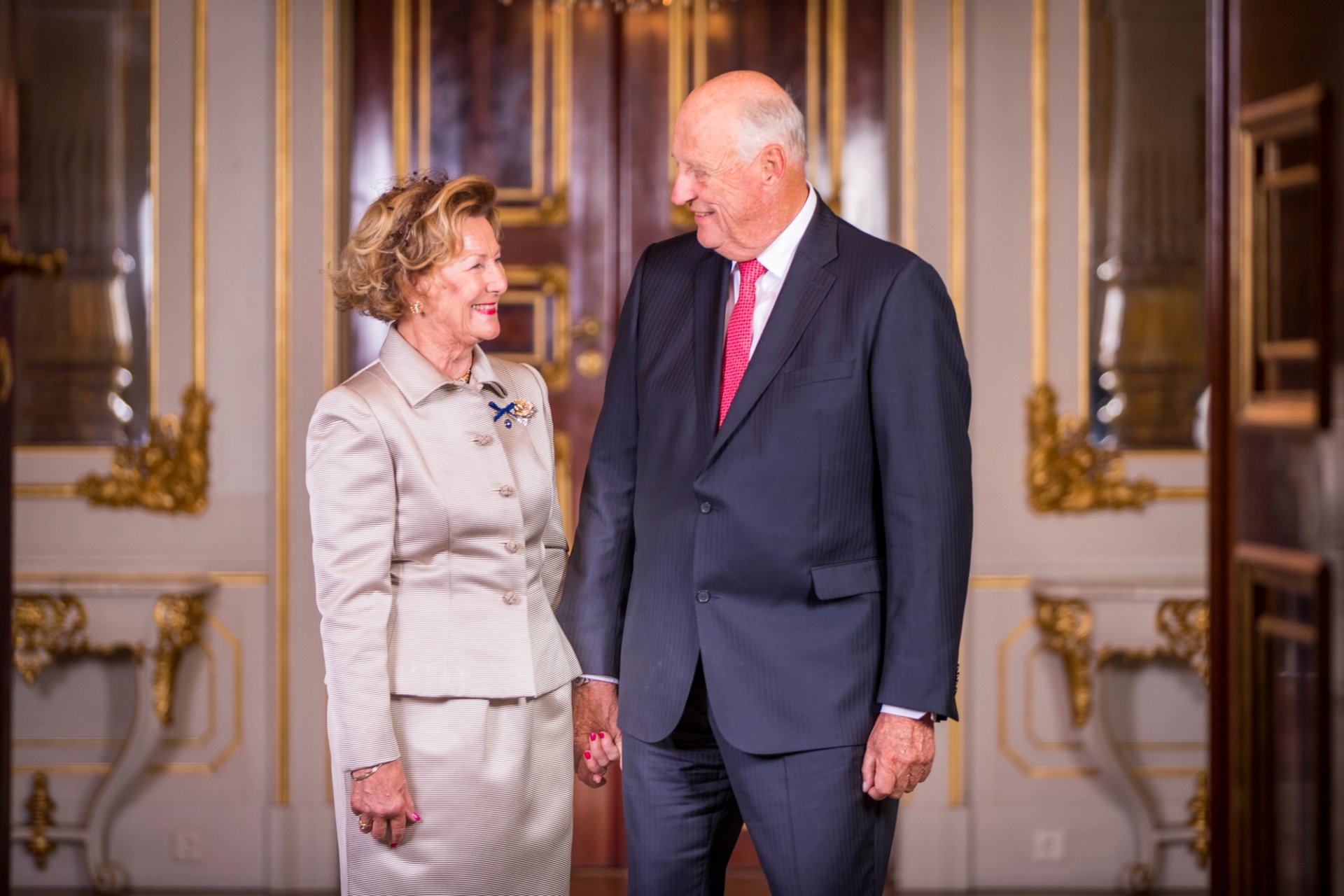
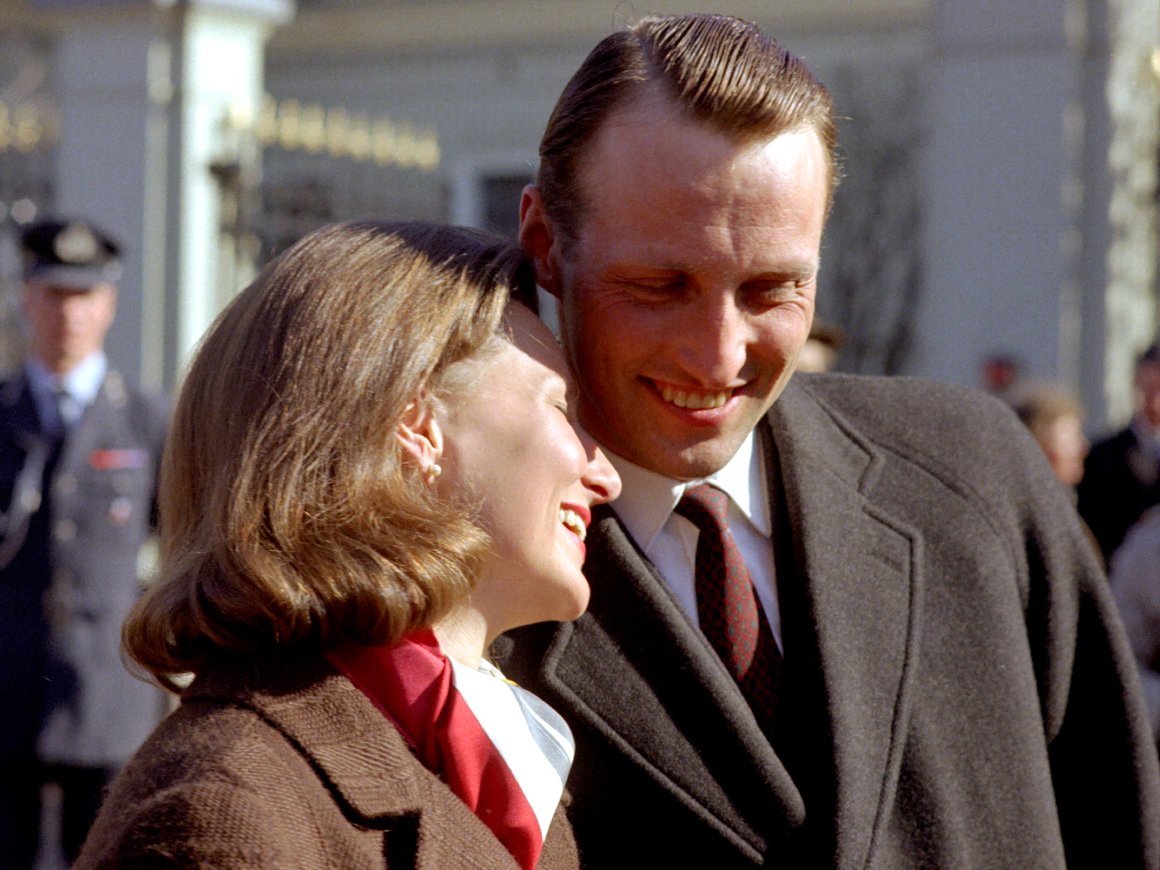
King Harald underscored repeatedly how important it was for him to have the support and love of Queen Sonja. Together they were a very strong team – and the King said he could not have performed his royal duties nearly as well without his wife at his side. Their relationship did not get off to an easy start. It took nine long years before they were granted permission to marry, and their engagement was announced on 19 March 1968. On 29 August of that year they were wed in Oslo Cathedral.
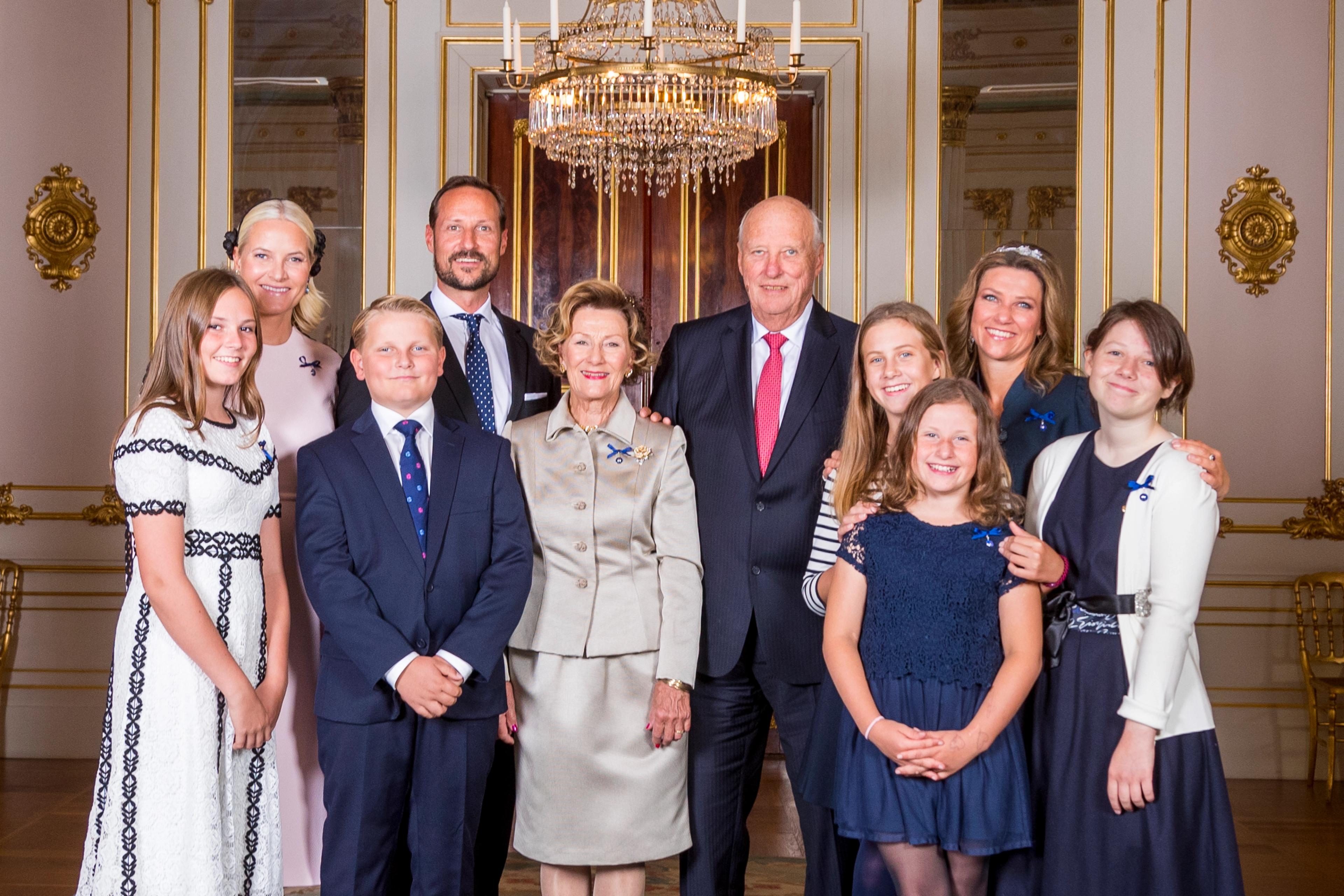
Over time, children and grandchildren arrived. King Harald treasured every opportunity to be together with his large family. Each generation must ultimately give way to the next, and now it is up to Norway’s new King and Queen and Crown Princess to take on the tasks and responsibilities of the monarchy.
Above all, Norway is its people
The final word is rightfully King Harald’s – taken from the ending of his speech in the Palace Park, spelling out his greatest hope for Norway:
When we sing ‘Ja, vi elsker dette landet’ (‘Yes, we love this country’), we should remember that we are also singing about each other. Because we are this country. Thus, our national anthem is also a declaration of love for the Norwegian people.
My greatest hope for Norway is that we will be able to take care of one another.
That we will continue to build this country – on a foundation of trust, fellowship and generosity of spirit.
That we will feel that we are – despite our differences – one people.